
Being Ram Dass (by Ram Dass)
From Richard Alpert to Ram Dass: A Life Told from the Mind to the Heart
I’ve wanted to read Ram Dass’s final book and memoir, Being Ram Dass, since it was published in 2021, and I think I’ve also been procrastinating. I’ve listened to a lot of his teachings on the Here and Now podcast and read several of his books, but something about a memoir finished near the time of his death felt a little sad to open.
I mostly let the #bookspin challenge on Litsy decide the order of the physical books I read. I’m glad I put this one on the list, and I’m thrilled I finally sat down with it.
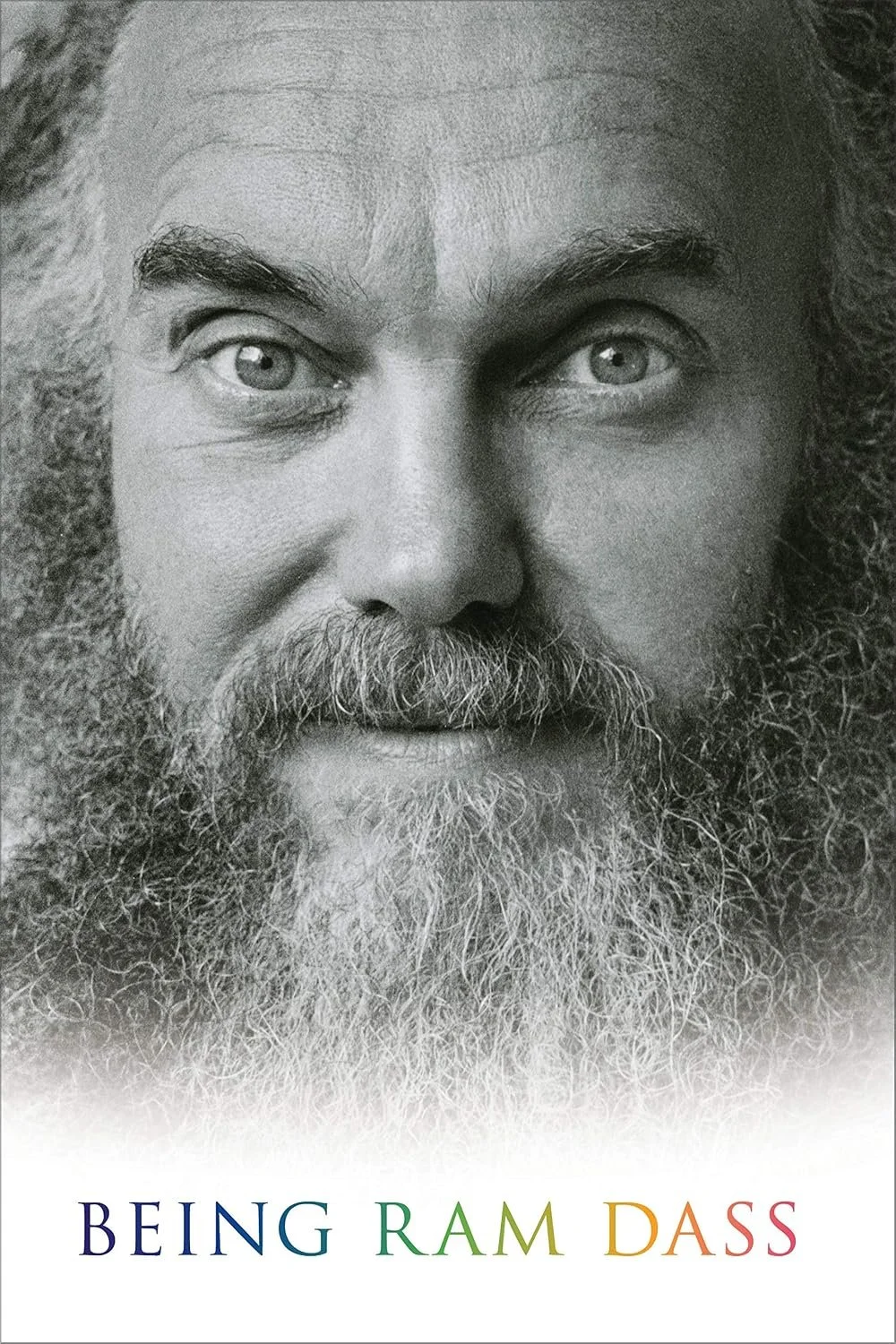
Being Ram Dass, co-written with Rameshwar Das and with a foreword by Anne Lamott, is Ram Dass’s own account of the long arc from Richard Alpert to the teacher so many of us know. Born in 1931 into a wealthy Boston family, he became a Harvard psychologist and collaborated with Timothy Leary on the Harvard Psilocybin Project. After he was fired over that research, he traveled to India in 1967, where he met his guru, Neem Karoli Baba, Maharaj-ji, and came home as Ram Dass. The later chapters cover the Seva Foundation, the Prison-Ashram Project, and the Dying Project, along with private struggles over identity and sexuality, the discovery in his seventies that he had a son, and life in Maui after a major stroke. It is a life told as a move from the mind to the heart.
This memoir is absolutely fascinating and beautifully written. Anne Lamott’s foreword is warm and lovely. I’d heard about 99 percent of the stories in this book, some of them many times, but here they have more depth and detail, and they’re told with increased humility and transparency.
I appreciated that his childhood is covered concisely. So many memoirs dwell far too long in the developmental years, but Ram Dass gave me just the right amount of detail without making me feel stuck in that brief stretch of his life.
The podcasts, books, and documentaries usually only glimpse his time as Richard Alpert, the man who studied social psychology at Tufts, worked at Stanford, and then joined the faculty at Harvard, where he and Timothy Leary went on to create the infamous Psilocybin Project. I enjoyed learning more about this chapter. I was surprised to read that, as part of his college research, he observed lobotomies. I felt terribly sad reading his notes on the patients, and it was frustrating to read how quickly his concerns were dismissed. He has told many stories about his work with Leary and his regular use of psilocybin, mescaline, and LSD, but here he explores the substances, the research, and his relationships with his colleagues much more deeply. I was captivated!
I’m very familiar with his trip to India and his meeting with Maharaj-ji, but absorbing the story sequentially and in depth was enlightening. I’ve always appreciated Ram Dass’s willingness to remain human. After returning from India, he had to learn how to be Ram Dass and find a new identity, and you can see him working at that all the way through the book. He reads as a work in progress, still trying to learn from Maharaj-ji and apply what he had been given.
Ram Dass remained open to serving others, and I was especially interested in his work with the Prison-Ashram Project and in his thoughts on death and dying. As a former therapist in a prison, I found his work with inmates inspiring and beautiful. I haven’t always handled the deaths and dying of others well, and I was grateful for another chance to let him speak to that fear.
“When you lose your fear of death, you gain a love of life.”
He also spoke openly about his stroke, the depression that followed, and his initial loss of faith. It’s inspiring to read how he returned to his faith and trust in Maharaj-ji and came to see the positive effects of such a significant life change.
“The more I thought about it, the more I realized the stroke was just a stroke. My reaction to the stroke was something else: that was my work on myself. The saving grace was being able to see it from the soul perspective. Instead of saying, ‘Oh, no, I’ve had a stroke!’ and going through the whole cascade of medical disaster and despair, I came around to, ‘Well, let’s see what’s graceful in this stroke.’ I began to treat it as just what was happening in the present moment.”
Naturally, the book concludes with Ram Dass leaving his body on December 22, 2019. His life’s work prepared him for what he saw as a rite of passage into whatever comes next. He writes about Hindu beliefs on reincarnation and what happens to the soul, and those few pages, illustrating how he perceived his own dying process, were very meaningful. Rameshwar Das offers the final words, reflecting on meeting Ram Dass at his first lecture after returning from India and on their lifelong friendship. He was also present when Ram Dass passed.
His legacy lives on through the Love Serve Remember Foundation, which held its first annual retreat in Boone, North Carolina, in 2022. My husband and I went and had a restorative week of meditation, lectures, and yoga. You can read about our adventure in my mountain retreat post here. One of the speakers was Bob Thurman. We weren’t familiar with his work, so we thoroughly enjoyed his hilariously witty presence. I had no idea, until I read this memoir, that he’s Uma Thurman’s dad. My mind was blown!
Whether you’re new to Ram Dass or have followed him for years, I think this memoir has something to offer, and I’d recommend it to both.
Ram Dass spent his life moving from the mind to the heart, and this memoir shows how much practice that took. It’s why one passage stayed with me. He describes a protest he attended in the 1980s and what he noticed as a participant:
“If you oppose something or someone in anger, all you proliferate in the world is more anger.”
It’s a simple idea, and it feels as relevant today as it did then. It also sums up what he spent his life teaching: love, serve, remember. I closed the book grateful for the reminder.
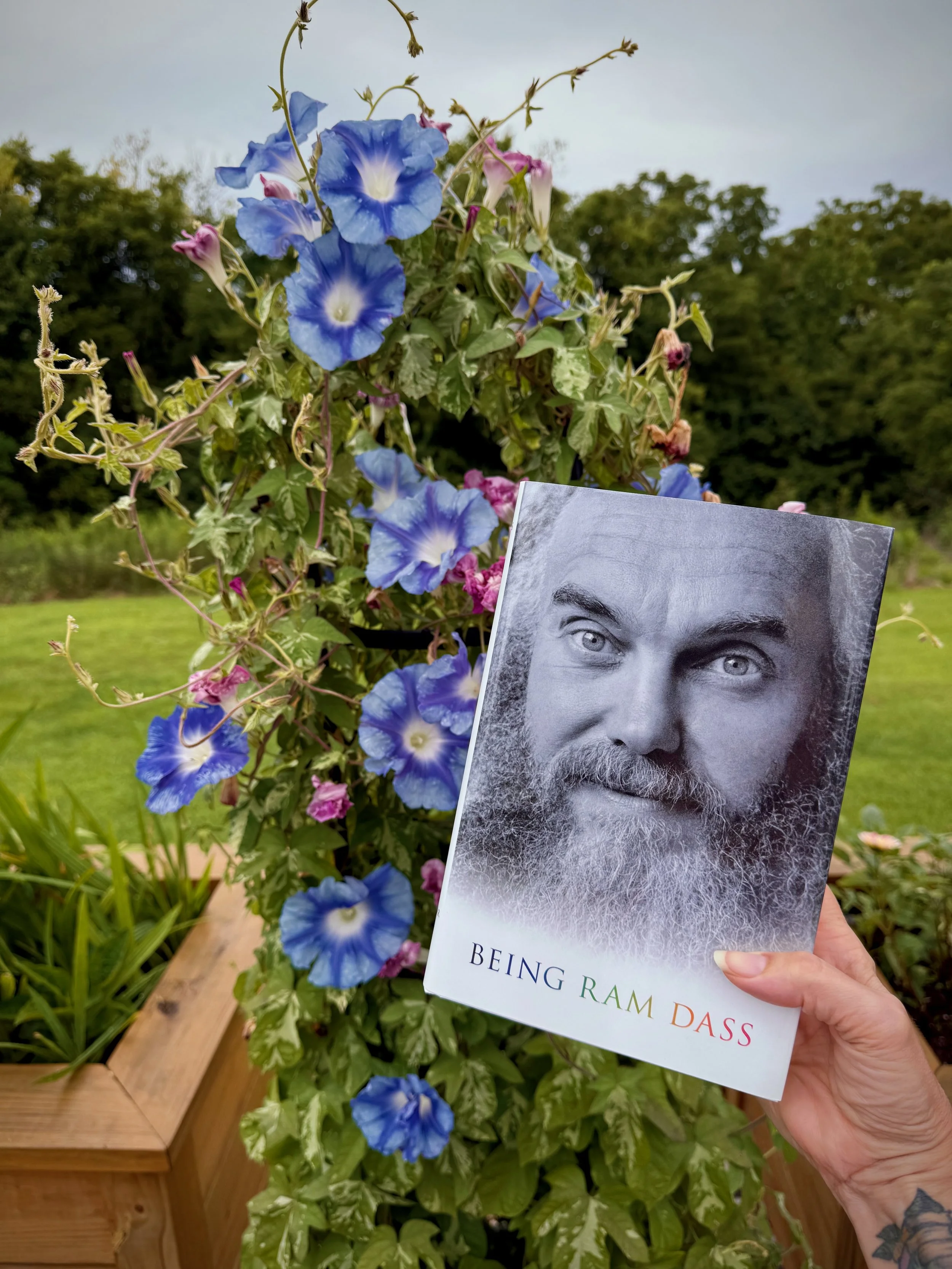
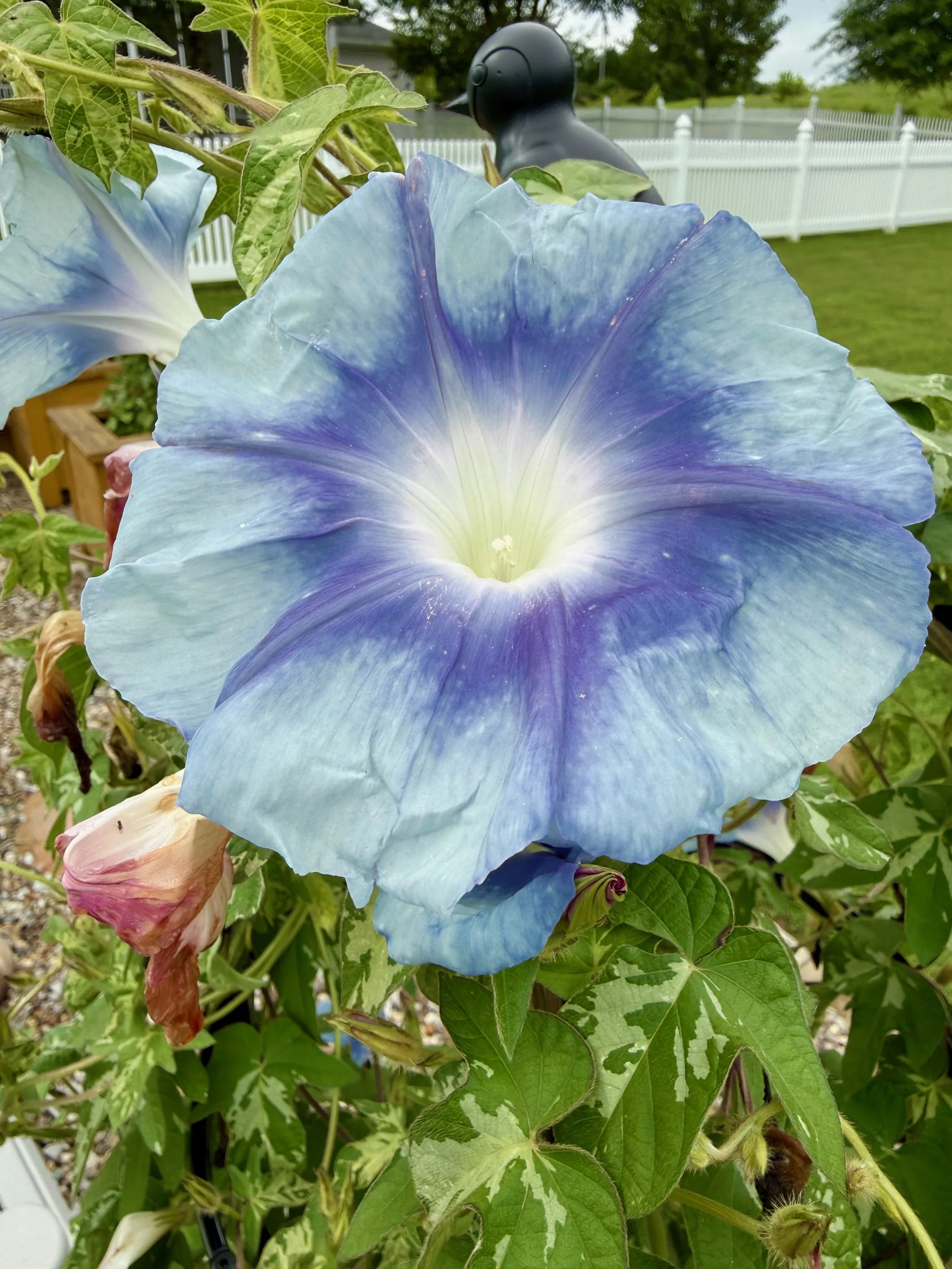
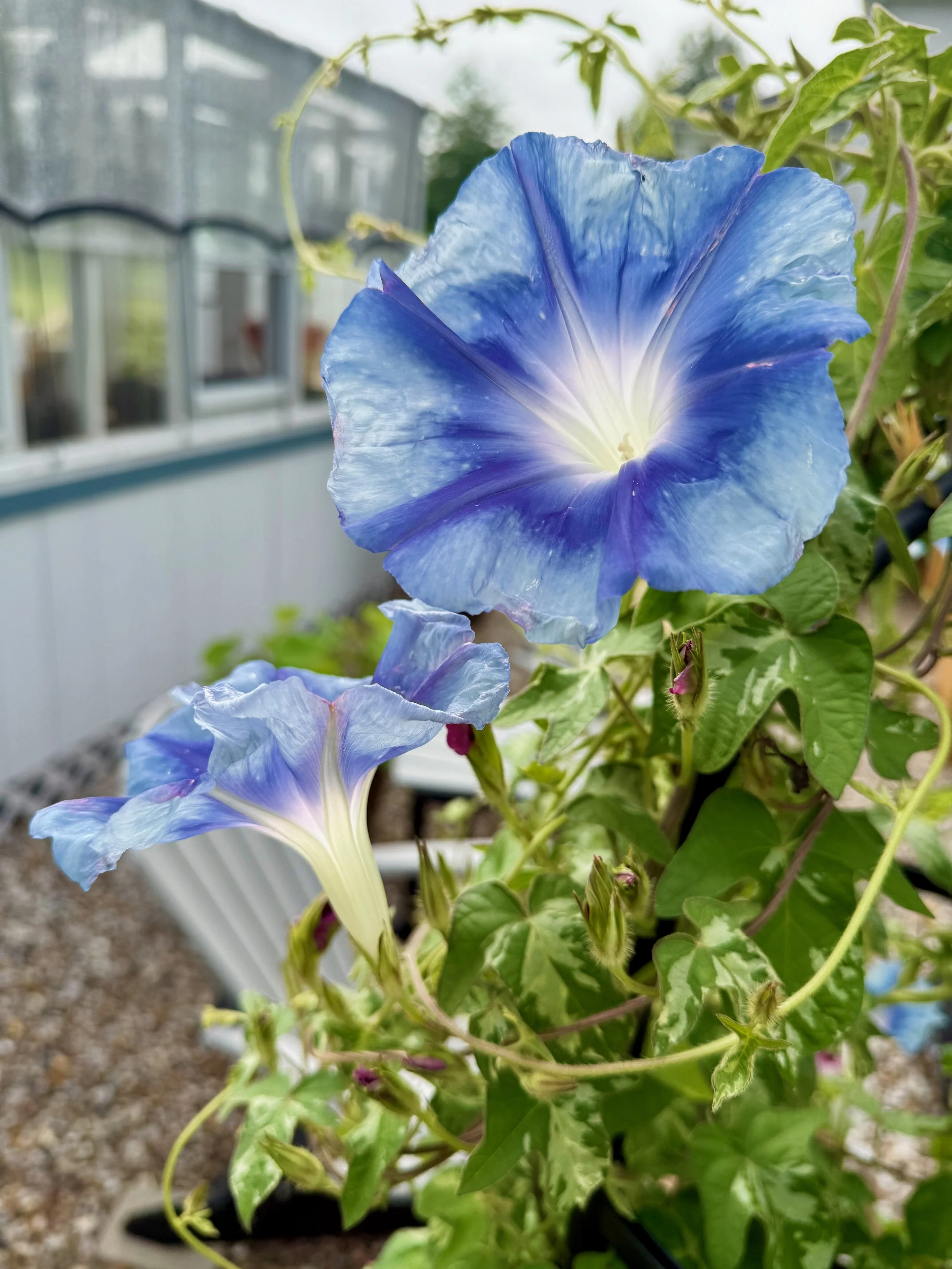
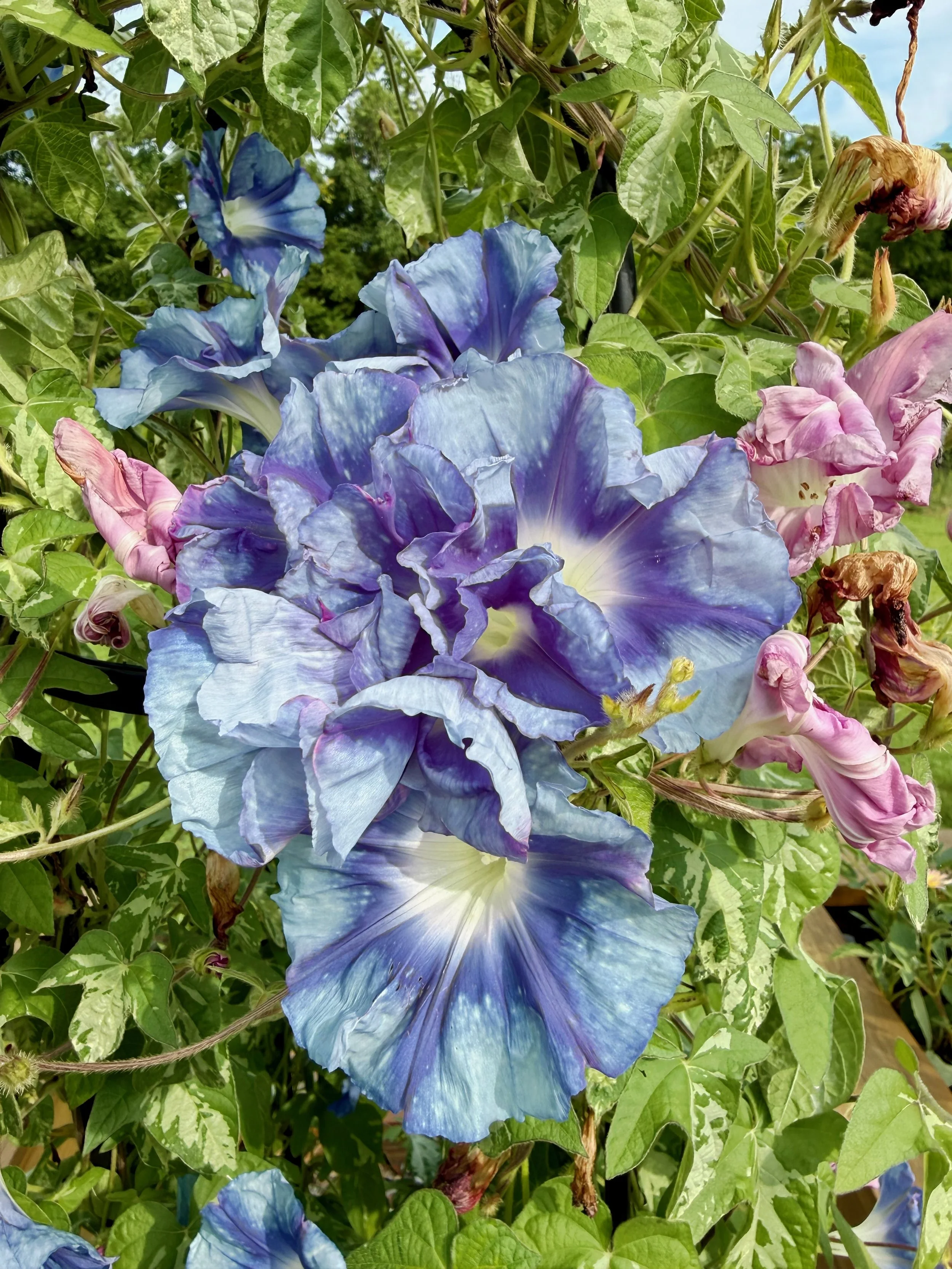
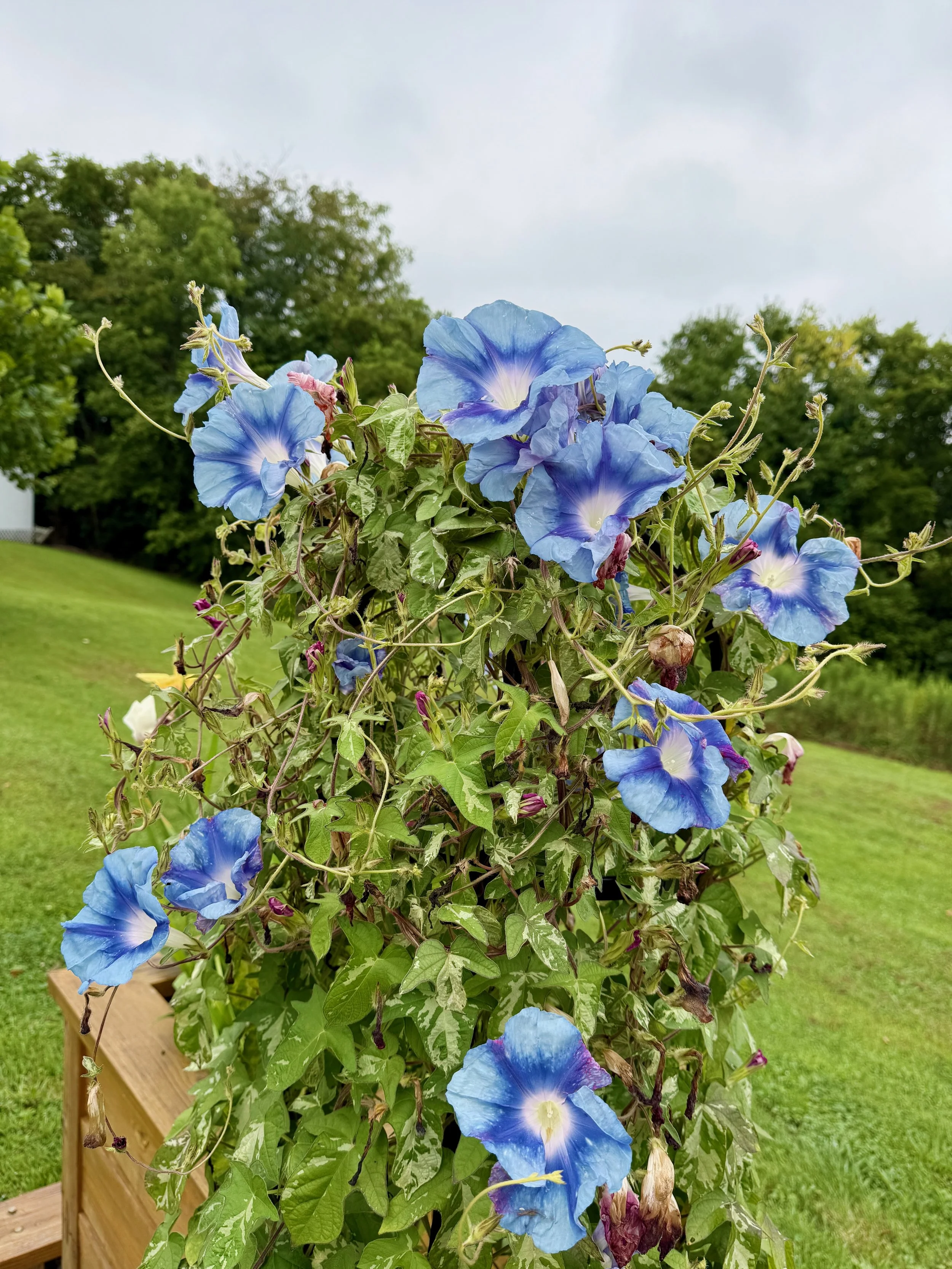
When I took this book cover photo with my Heavenly Blue morning glories, I had no idea they’d turn up in the memoir as a psychedelic substitute. Rest assured, I just love morning glories and have enjoyed watching this delicate variety bloom all summer.
If you’d like more Ram Dass, I’ve reviewed several of his other books, linked below.
As a participant in the Amazon Associates Program, I earn from qualifying purchases linked back to Amazon. Every penny earned allows me to blog about books and keeps this site running.
