
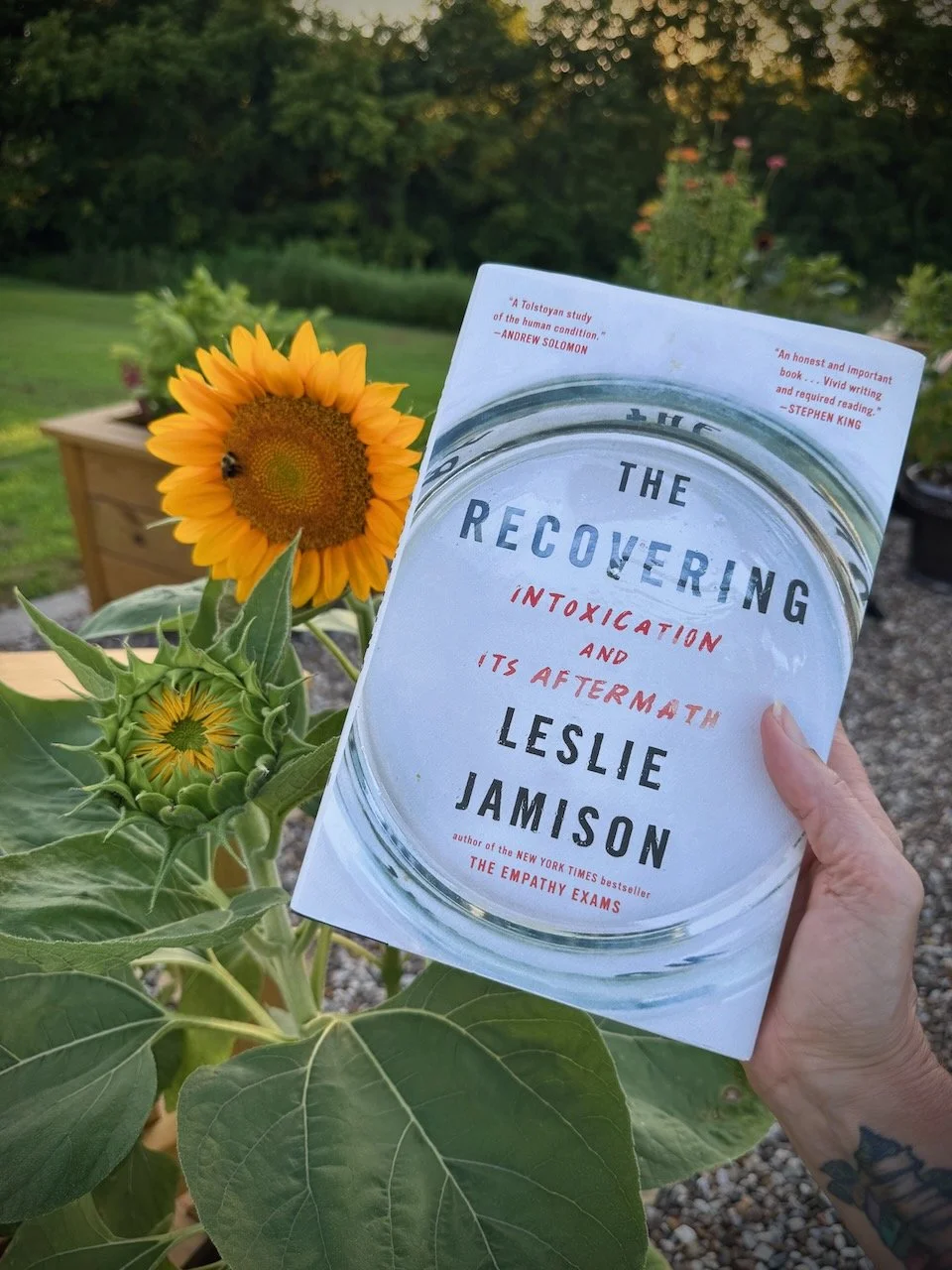
Last year, I retired from the federal prison system, where I had worked as a therapist in a residential drug abuse program. I believe it was around 2018 when an inmate in the program brought to my attention a book titled “The Recovering: Intoxication and Its Aftermath.” He informed me that not only was the facility we were in mentioned in the book, but so was the treatment program. The facility that is now a federal prison used to be the infamous United States Narcotics Farm, where drug treatment methodology was quite unique. Intrigued by the interesting nuggets he shared, I eventually purchased a copy of the book at my local independent bookstore.
Despite my curiosity, it took me a long time to finally start reading the book. As I began to step away from my work responsibilities, I mistakenly believed I would have some free time, so I kept The Recovering in my desk drawer. Although it was appropriate reading material for my job, I only managed to read about 75 pages before it was time for me to leave. Afterward, the book took a backseat as I adjusted to retirement life, and other books captured my attention. As the calendar approaches my first anniversary of retirement, I decided it was the right time to finish this book and discover what the author, Leslie Jamison, had to say about the old Narco Farm.
While the book description accurately describes its content, I must admit that I wasn’t entirely certain what to expect. This book is quite intricate, blending elements of a memoir, an analysis of authors grappling with addiction, and an exploration of substance abuse treatment. Jamison’s memoir was particularly captivating and the most engaging aspect of the book for me. She also included stories of individuals she encountered during their recovery journey.
Intertwined with her memoir, Jamison delved into the writings of authors and music celebrities who grappled with addiction, including George Cain, Charles Jackson, John Berryman, Jean Rhys, Raymond Carver, David Foster Wallace, Billie Holiday, and Amy Winehouse. I found these sections of the book more academic and somewhat tedious to read. She later mentioned that they were based on her dissertation, and that’s precisely what I felt like I was reading. I am fascinated by the lives of others, and those portions of the book best suited my interests. I was engaged when Jamison wrote about the personal lives of the authors and celebrities she examined.
Jamison shared interesting historical insights into how governments enacted laws related to drug use. She also shared her journey of sobriety through Alcoholics Anonymous and its history. In the Author’s Note, she briefly mentions Medication Assisted Treatment (MAT). Although the information is limited, Jamison provides references for readers to delve deeper into the subject. The book concludes with an extensive bibliography, showcasing the meticulous and thoughtful research that went into its creation. I’ve added a few books to my ever-growing TBR list. While I may not have been fully captivated by every word, I highly respect the eight years of hard work that went into this book. I also appreciate Jamison’s openness and vulnerability in sharing her life of addiction and recovery journey.
I was pleasantly surprised to find that Jamison frequently mentioned the Narco Farm throughout the book. I always enjoy learning more about the history of the facility where I had the privilege of working. She mentioned that she had toured the facility, but her presence was unknown to those of us working in the drug program. I wish she had met with us or at least the program coordinator, as the well-meaning executive staff likely didn’t adequately convey the work being done. Unfortunately, I found her account of the tour condescending and overly critical of the executive staff who had given her the opportunity to tour the facility. As a result, I was disappointed about the mention of the current institution in the book.
A book titled “The Narcotic Farm: The Rise and Fall of America’s First Prison for Drug Addicts” delves into the history of the old Narco Farm. It presents fascinating facts and a wealth of images. There’s a video titled “Inside the Mysterious Narco Farm” that delves into the fascinating history of the facility. It explains how it operated as a federal prison and simultaneously as a voluntary inpatient drug treatment hospital. The video showcases the remarkable structure and features interviews with former patients. Unfortunately, the video is too lengthy to be included in my blog post, but it’s linked in the title above.
Another intriguing aspect of this book is its endorsement by Stephen King. Jamison delves into Jack’s behavior in both the book and the movie, The Shining. Later in the book, she returns to King and analyzes Danny’s behavior in Doctor Sleep. A few months ago, my Constant Reader book club read both of these books, and we had the same conversations about the alcohol and drug use of the main characters. I found that quite fascinating.
As I conclude my review, I must highlight the physical beauty of this book. The quality is exceptional, with soft yet durable pages. It’s a hefty book, which is fitting considering its content. Despite some of the differences I have with this book, it’s been a pleasure to read, and I’m glad I have a copy on my shelf.


As a participant in the Amazon Associates Program, I earn from qualifying purchases linked back to Amazon. Every penny earned allows me to blog about books and keeps this site running.
