A classic I thought I knew—and didn’t
While talking with my husband about the latest full-cast Audible production of Dracula, Mary Shelley’s Frankenstein came up. We quickly realized we knew almost nothing about the original story, and of course he told me I should read it. (I’m the reader; he’s the conversationalist.) I resisted at first. My library holds were coming in, and I was already behind on rereading Black House for the Constant Reader book club meeting next month. Then he pointed out that it was Halloween season—the perfect time to read it. I couldn’t argue with that.
In Frankenstein, ambitious scientist Victor Frankenstein assembles a living being from lifeless matter and brings it to life, only to recoil in horror and abandon his creation. The creature, intelligent and articulate yet rejected by everyone he encounters, grows increasingly isolated and bitter. His search for connection and belonging turns to vengeance, setting in motion a chain of tragedies that pursues both maker and monster across Europe. The novel examines the dangers of unchecked ambition, the cost of playing god, and the devastating consequences of refusing responsibility for what one creates.
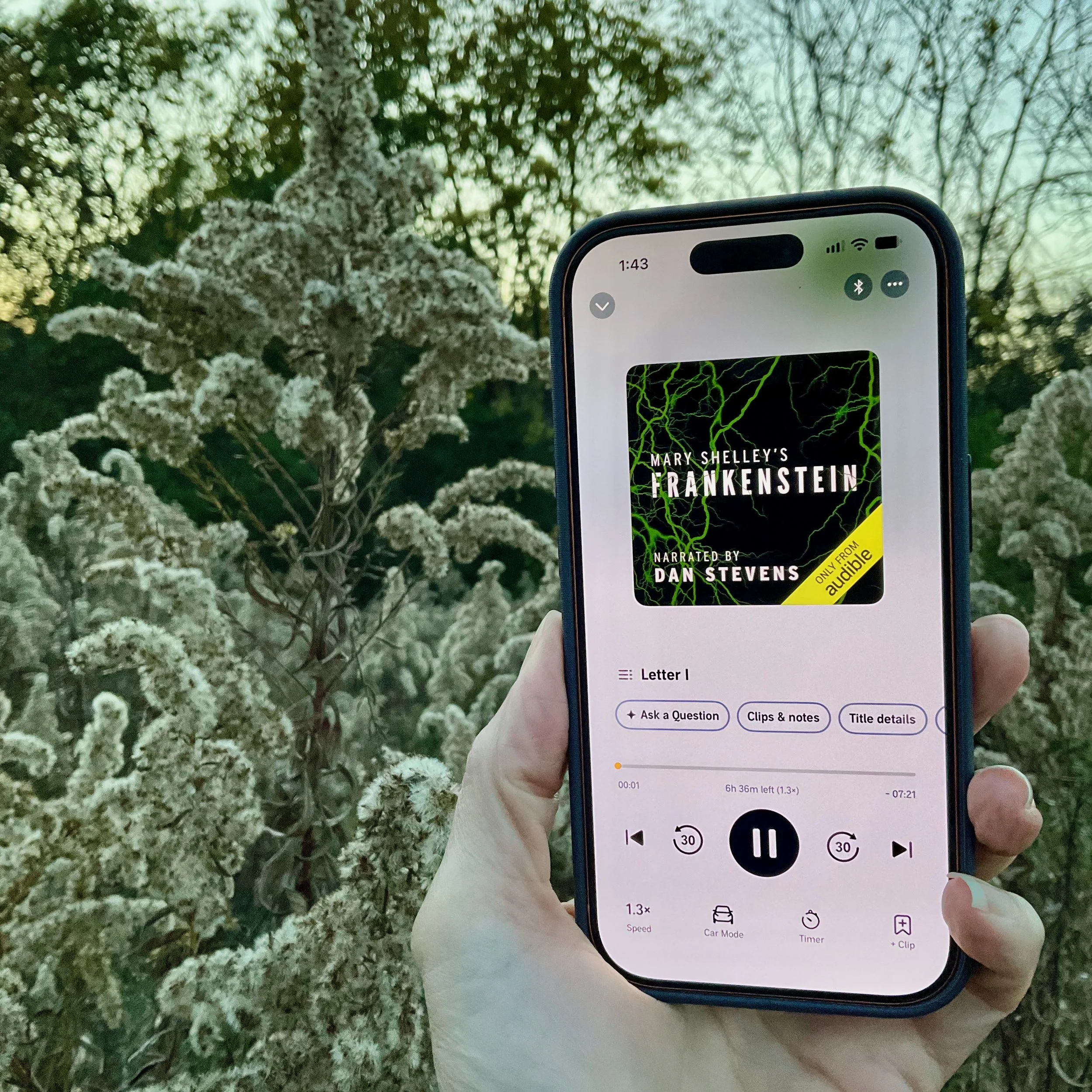
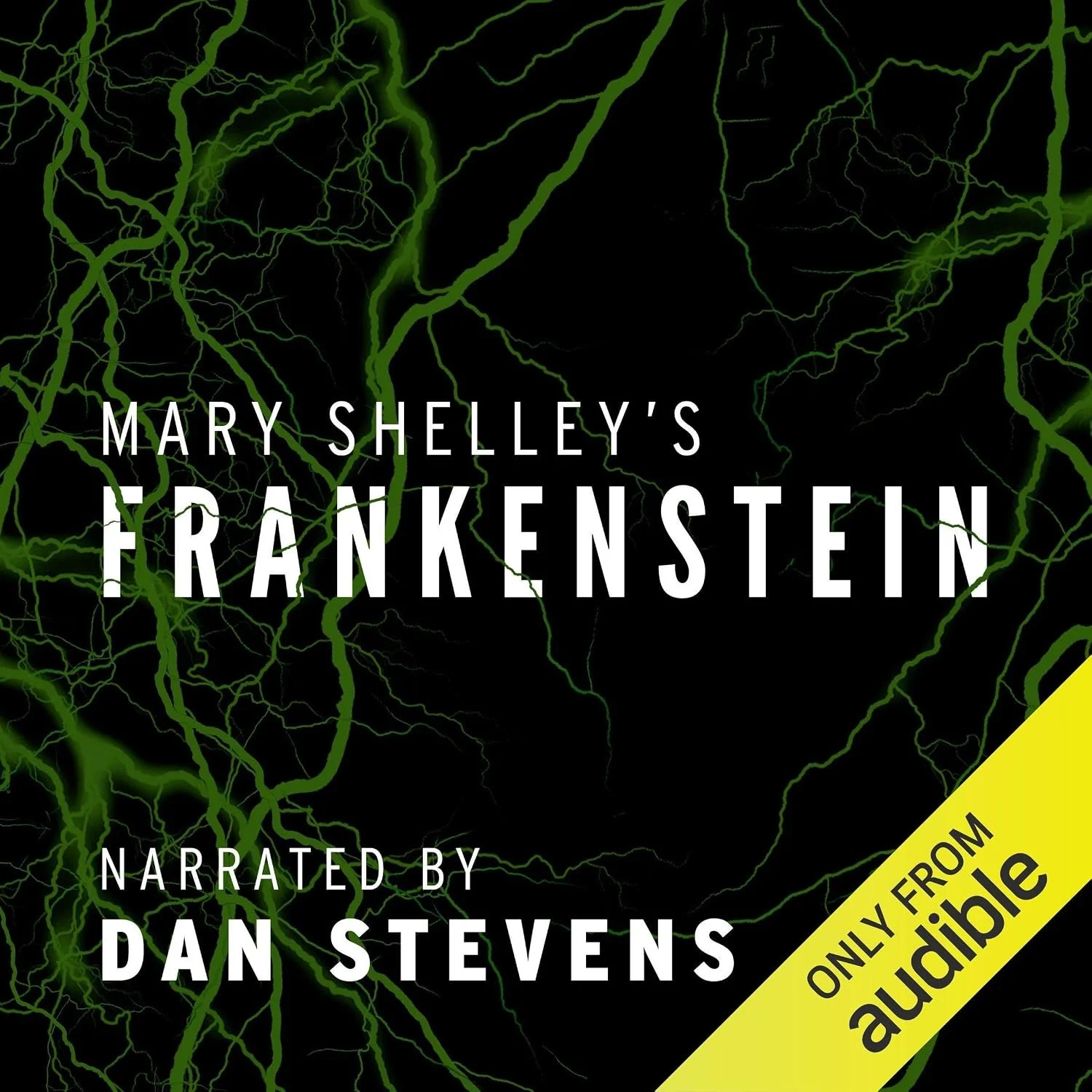
I listened to the audiobook on Audible (included with my membership), and Dan Stevens did a remarkable job narrating this classic.
I’m glad I listened to my husband. I can’t even recall where I picked up the limited knowledge of Frankenstein I had going in—probably from old movies I watched growing up. Whatever the source, the novel was almost nothing like I expected. I won’t embarrass myself by listing all the plot points I had wrong.
I was fairly confused by the letters that open the novel and even wondered if I had missed something. By the end, everything came together, and I was relieved. It was a creative way to frame the story—sad, but effective.
The story is more philosophical than I anticipated, and I enjoyed how much it made me think. I wasn’t simply listening to a story; I was pushed to examine morals, values, and accountability. Shelley’s portrayal of the creature’s perspective particularly impressed me. My heart broke for him. Through his eyes, she explores how humans treat one another and how we so often respond to our fears with defensiveness and aggression. I can imagine that for readers in the early nineteenth century, her insights must have felt especially meaningful.
Emotions run deep throughout the novel—so much sadness, loss, and loneliness. The ending is genuinely depressing.
In the end, Frankenstein left me unsettled in the best way. It is a story I thought I knew, yet it proved far more thoughtful, sorrowful, and human than the version that had lived in my head. I’m grateful my husband nudged me toward it. The novel lingers not because of its horror, but because of the quiet, painful questions it raises about creation, rejection, and the ways we fail one another. It is a sad book, and a deeply affecting one.
As a participant in the Amazon Associates Program, I earn from qualifying purchases linked back to Amazon. Every penny earned allows me to blog about books and keeps this site running.
