
On Dahlias, Survival, and Learning to Live
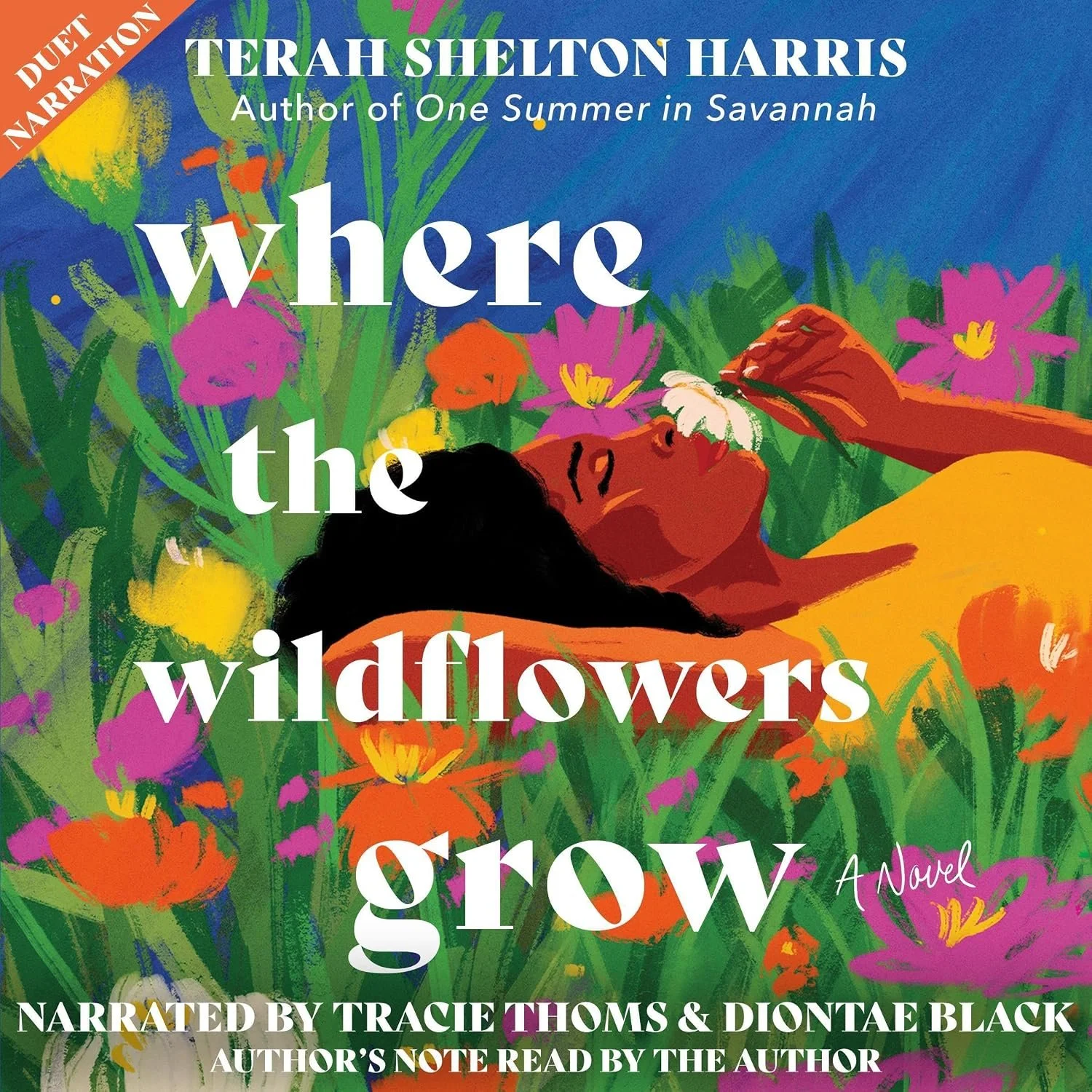
I virtually met Terah Shelton Harris during an author event through The Back Room. When I heard her describe Where the Wildflowers Grow and listened to her talk about the story, I knew it was a book I had to read. The wildflowers theme and a woman on the run from her past drew me in right away. As someone who had just closed her second season of growing dahlias, the timing felt especially right. I happened to be digging up and storing my dahlia tubers and other summer bulbs for their winter rest when I reached the part of the book where the people on the flower farm were doing the same.
Leandra “Leigh” Wilde was born into a toxic but beautiful family. She learned how to survive, but not really how to live. So when the prison transport bus she was on careened off the road and she alone walked away, she did what she had always done. She kept going. Her flight from the past led her to a flower farm in rural Alabama, where she slowly began to open up to the land and the people around her, including Jackson. Told across the seasons, this is a story of grief, trauma, and redemption. It is also a slow-burn love story about how nature and community can help heal the deepest hurts.
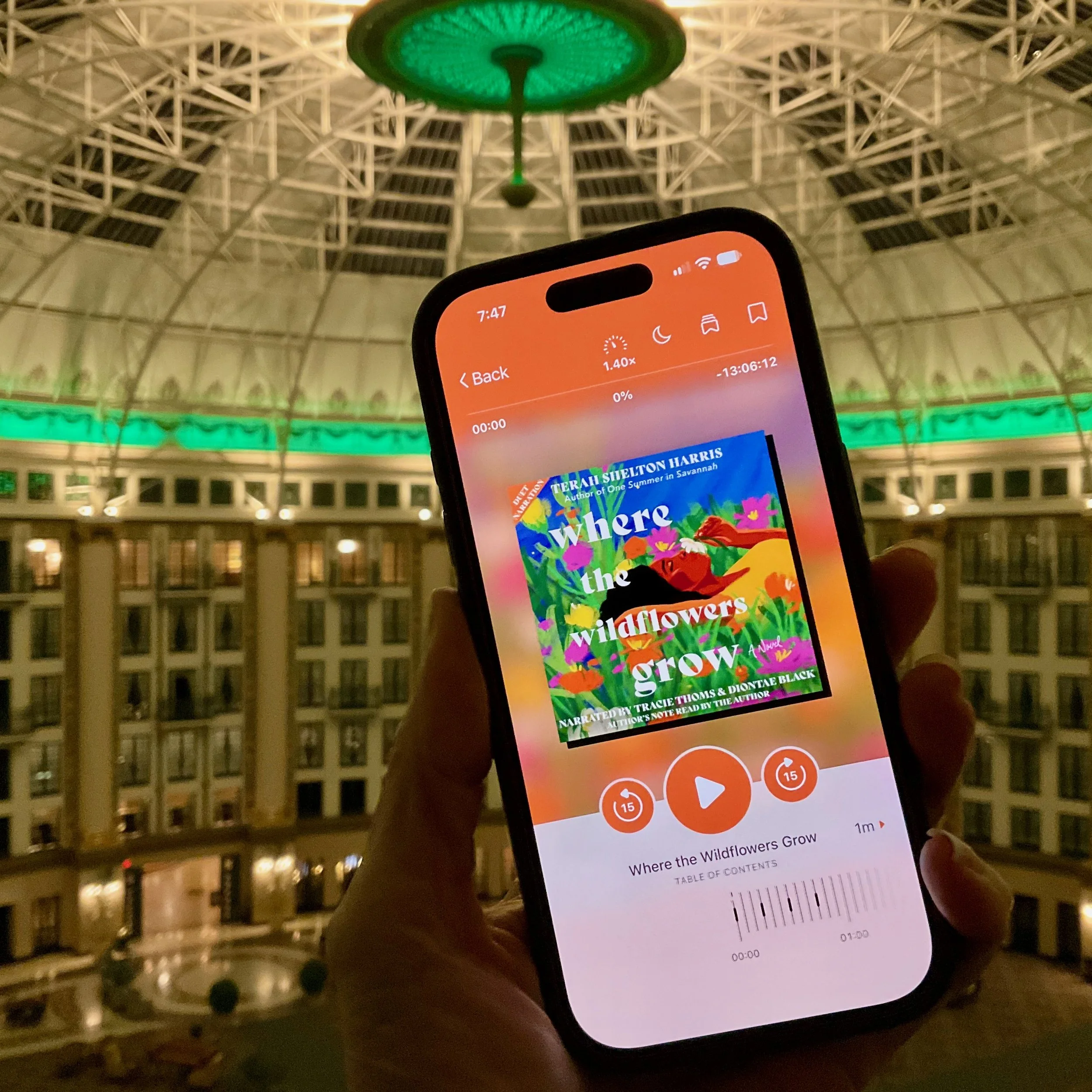
I listened to the audiobook through Libby. I loved the duet narration by Tracie Thoms and Diontae Black. It took me a little time to settle into the two voices, but once I did, it felt completely natural.
Harris includes a respectful disclaimer at the beginning about the abuse in the story. She makes clear that this is not a book about describing abuse, but about healing. That couldn’t be more accurate. It is a story of second chances and of learning how to move forward in a new direction.
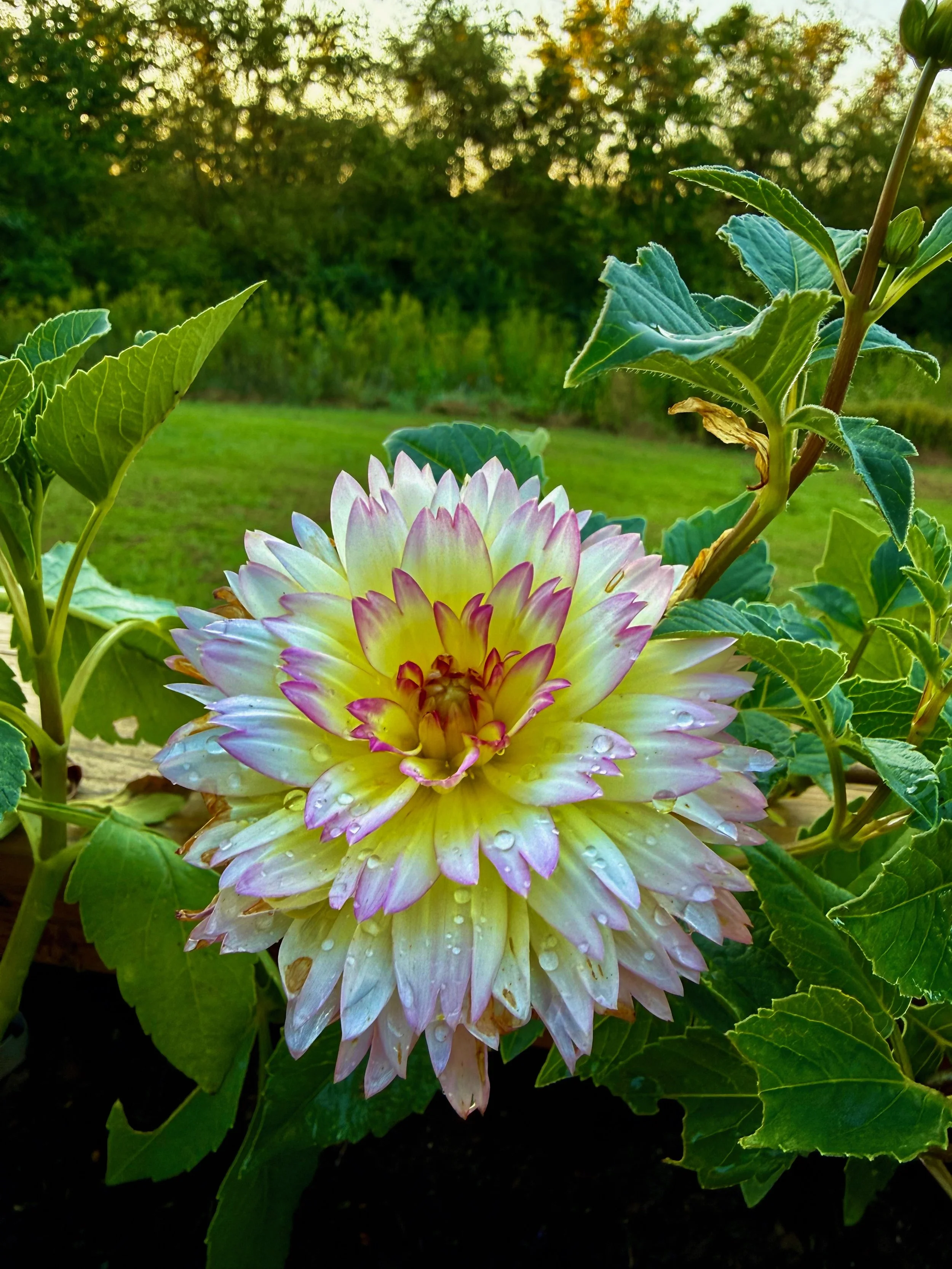
The characters are wonderful—human, full of kindness, and easy to love. I easily related to the healing aspects of the story: the grounding power of nature, the comfort of yoga and meditation, and the simple pleasure of delicious home-cooked food. The descriptions of the flower farm in a small Alabama town feel truly lovely. Dahlias alone are gorgeous flowers, but their meaning in this novel runs much deeper. As a grower of them, I understand the hard work involved. It means planting the tubers in spring, waiting patiently for growth, being mesmerized by the blooms in summer, watching them fade in the deep fall, carefully digging them up before the first frost, and finally storing them for the winter. It is a rewarding process that requires real care, which makes dahlias an excellent comparison for the themes in this novel.
This is such an emotional story. The ending just about broke me. I had to keep myself from giving in to a complete flood of tears. It was heartbreaking, while also powerful and filled with the effects of personal growth and inner freedom.
Harris answers questions about the book at the end of the audiobook. I loved her responses; they added nicely to what I had already learned from her during The Back Room event. (You can read more about that evening in my author event recap.)
A quick note on the book cover photo: I took it from the balcony of our room during a recent stay at the West Baden Springs Hotel. I wrote about the trip here.
This one stayed with me. If you enjoy stories about second chances, found family, and the slow work of healing, Where the Wildflowers Grow is well worth your time.
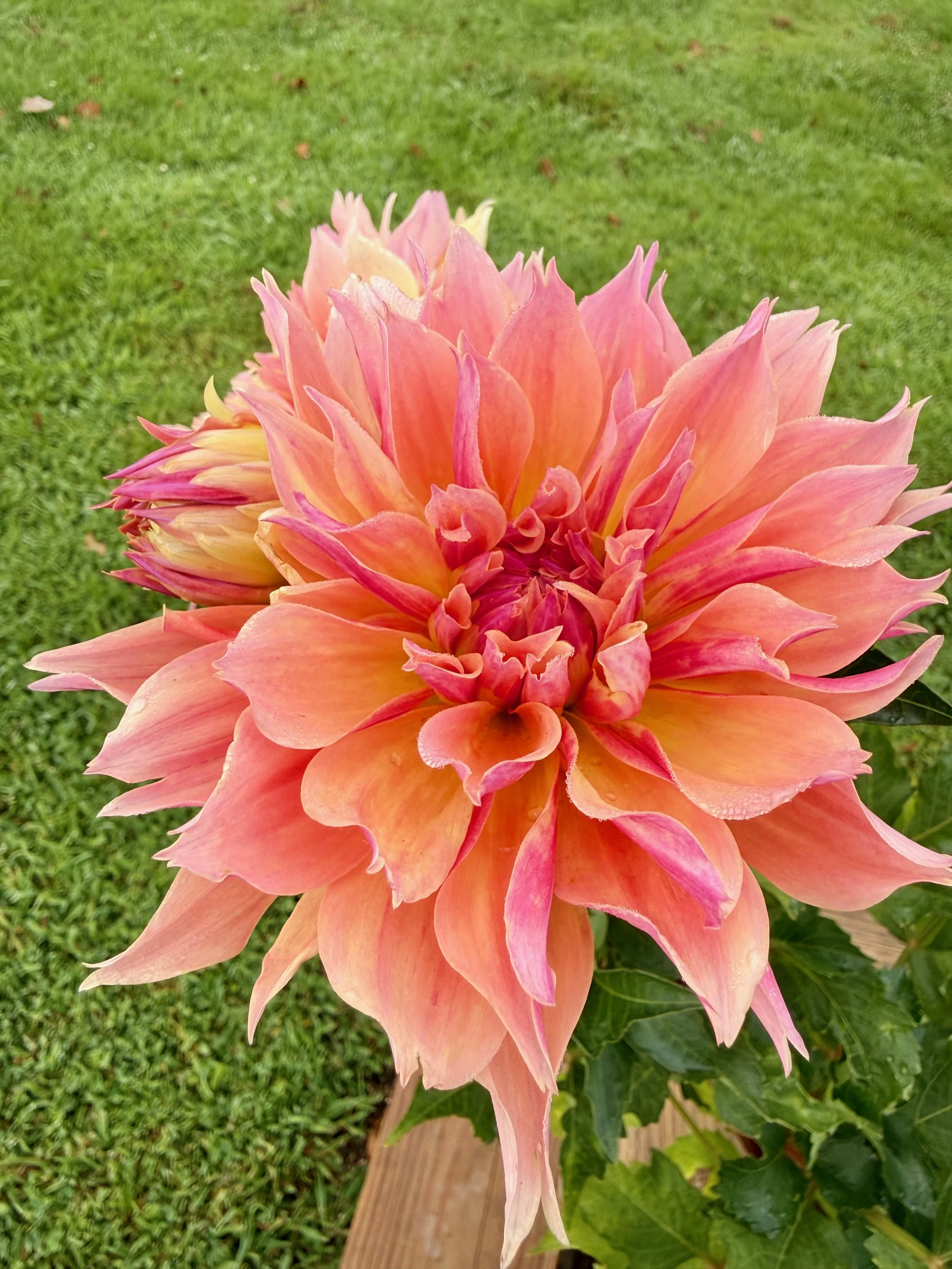
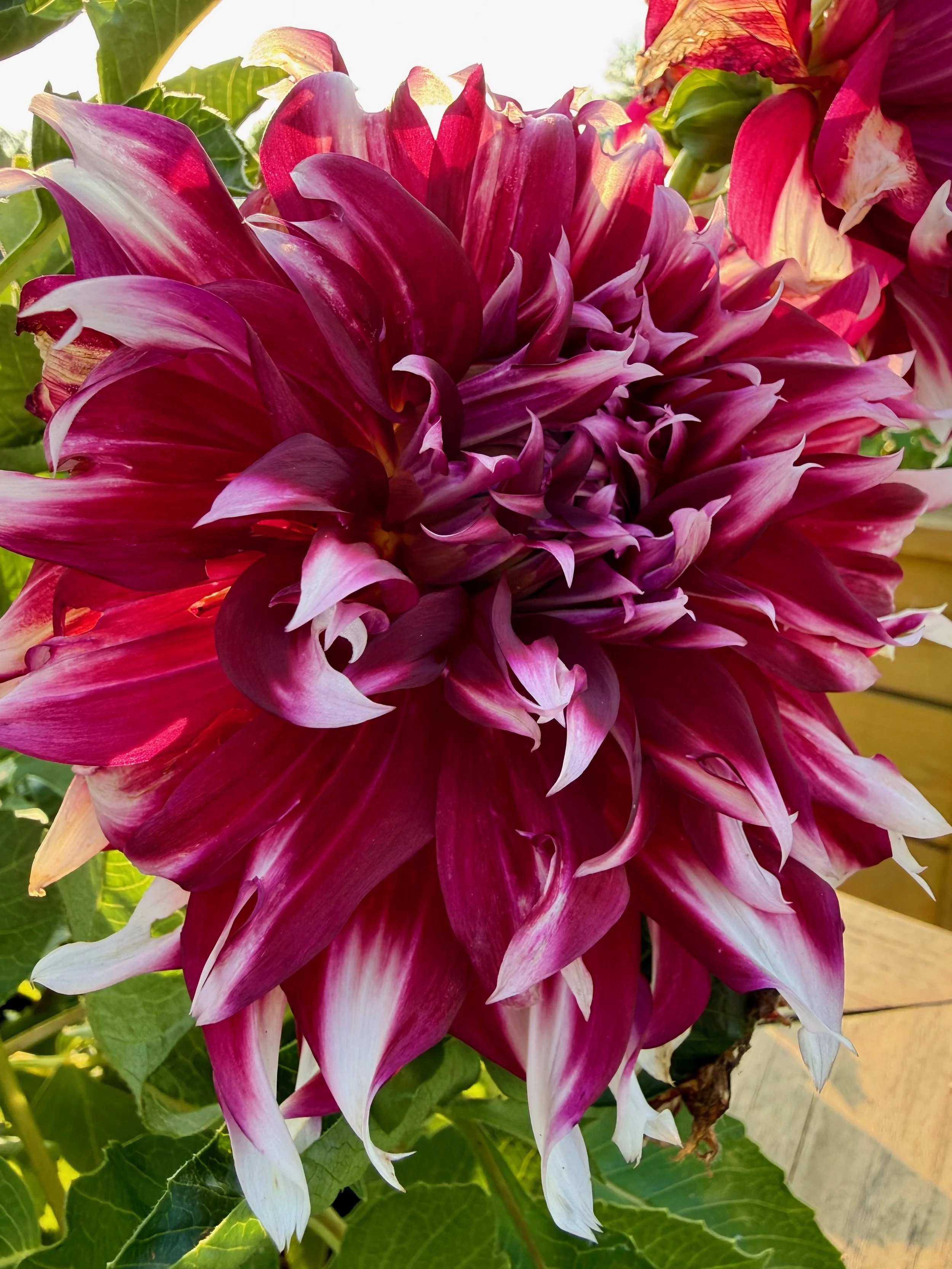
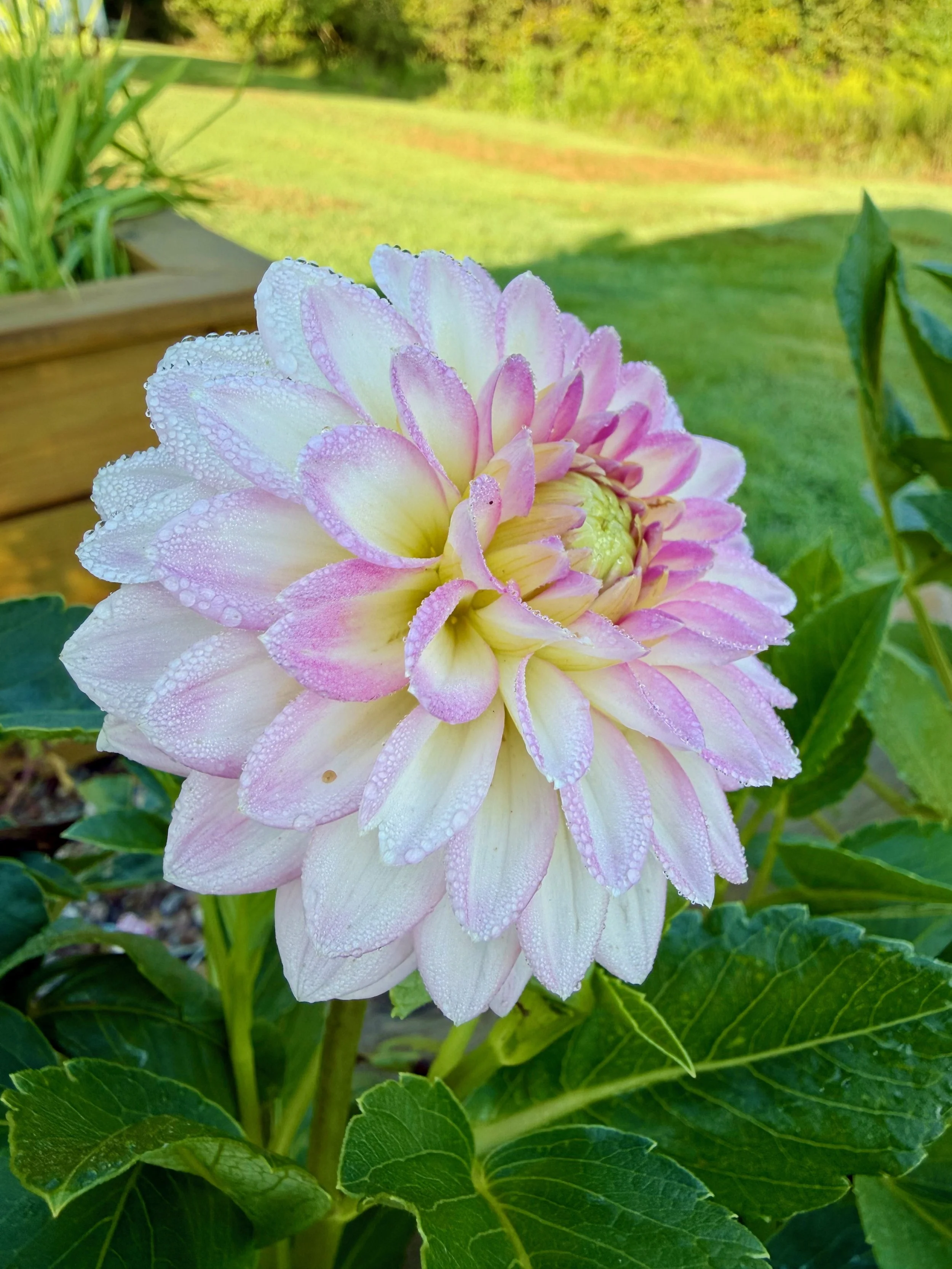
I’d like to close with a few photos of my dahlias from this past summer. I’m excited to add more varieties to my garden next year.
As a participant in the Amazon Associates Program, I earn from qualifying purchases linked back to Amazon. Every penny earned allows me to blog about books and keeps this site running.
