
Isola (Allegra Goodman)
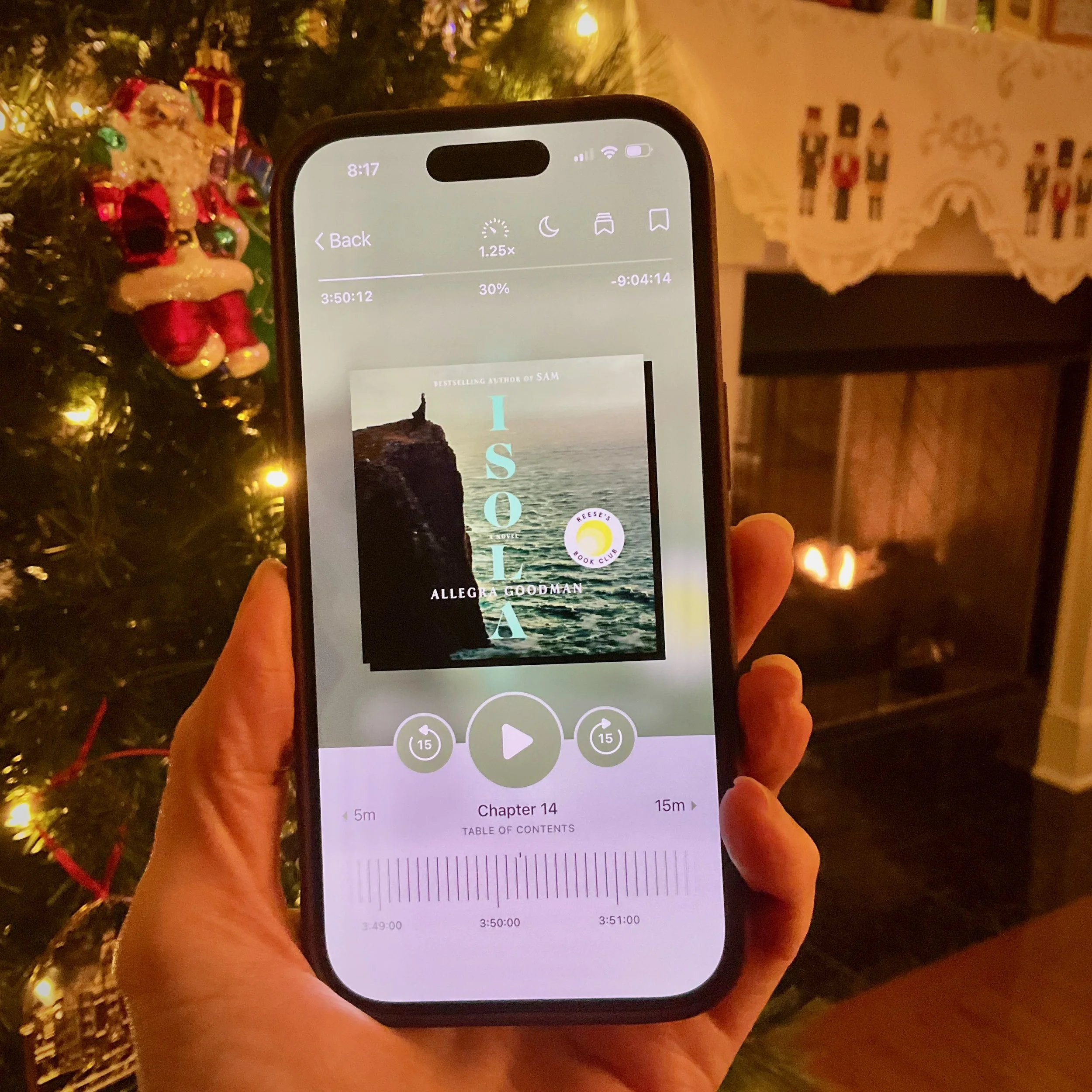
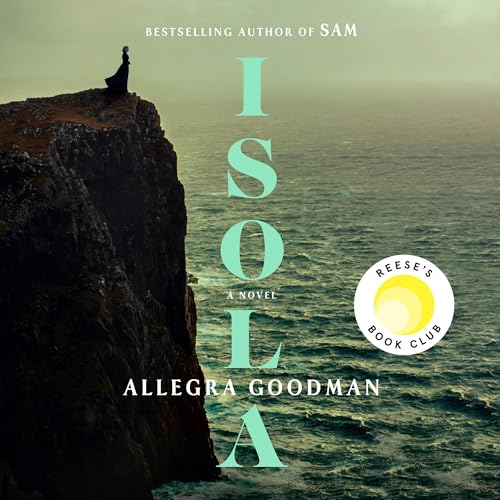
I had no intention of reading Isola by Allegra Goodman when it was first released. However, I noticed a lot of praise for the book and decided to give it a try. Inspired by the true story of 16th-century French noblewoman Marguerite de la Rocque, the novel follows the orphaned Marguerite as her guardian squanders her inheritance and forces her to join his 1542 expedition to New France. On the ship, she forms a forbidden romance, leading to betrayal. She is marooned on a remote, harsh island (known as the Isle of Demons) with her lover and a servant. Alone against the brutal wilderness—including polar bears, freezing winters, and isolation—Marguerite battles for survival, discovering inner strength, faith, and resilience in the face of abandonment and nature’s power.
I had high hopes for this literary novel of strength, defiance, and a fight for life. The story delves into the repeated difficulties of Marguerite’s life. I appreciated that Allegra provided a narrative to Marguerite, who apparently lacks in historical accounts. Although the story is slow-moving, many life-changing and significant events occur during Marguerite’s journey from birth until early adulthood, I assume.
I enjoyed Isola, but I didn’t love it as I had hoped. I enjoy learning about past lifestyles, so the mid-16th-century lifestyle was interesting. However, those times must have been quite challenging, especially for women who faced severe subordination under rigid social hierarchies.
The beginning of the book was very slow, and it seemed to take forever for Marguerite to be abandoned on the island with her lover and nursemaid. I expected that to happen much sooner, as that seemed to be the story’s premise. I considered bailing on the book within the first few hours, but I chose to continue listening because I was intrigued by the abandonment on the island.
For some inexplicable reason, this story failed to evoke the emotional response I had anticipated. Throughout most of the book, I maintained a neutral stance towards the characters. Naturally, when certain tragedies unfolded, I felt empathy for them, but otherwise, I didn’t feel a strong connection to them. It’s possible that the writing focused more on presenting the story from a cognitive perspective, neglecting to delve into the characters’ emotions throughout their journey.
In retrospect, I’m glad I completed the book and discovered the outcome. The ending is quite powerful, unexpected, and imparts an empowering message. I particularly appreciate Allegra’s narration at the book’s conclusion, where she provides insights into the book’s origin and its historical significance.
I borrowed the audiobook of Isola from my local library using Libby. Fiona Hardingham’s narration was lovely.
As a participant in the Amazon Associates Program, I earn from qualifying purchases linked back to Amazon. Every penny earned allows me to blog about books and keeps this site running.
