
The Anxious Generation (by Jonathan Haidt)
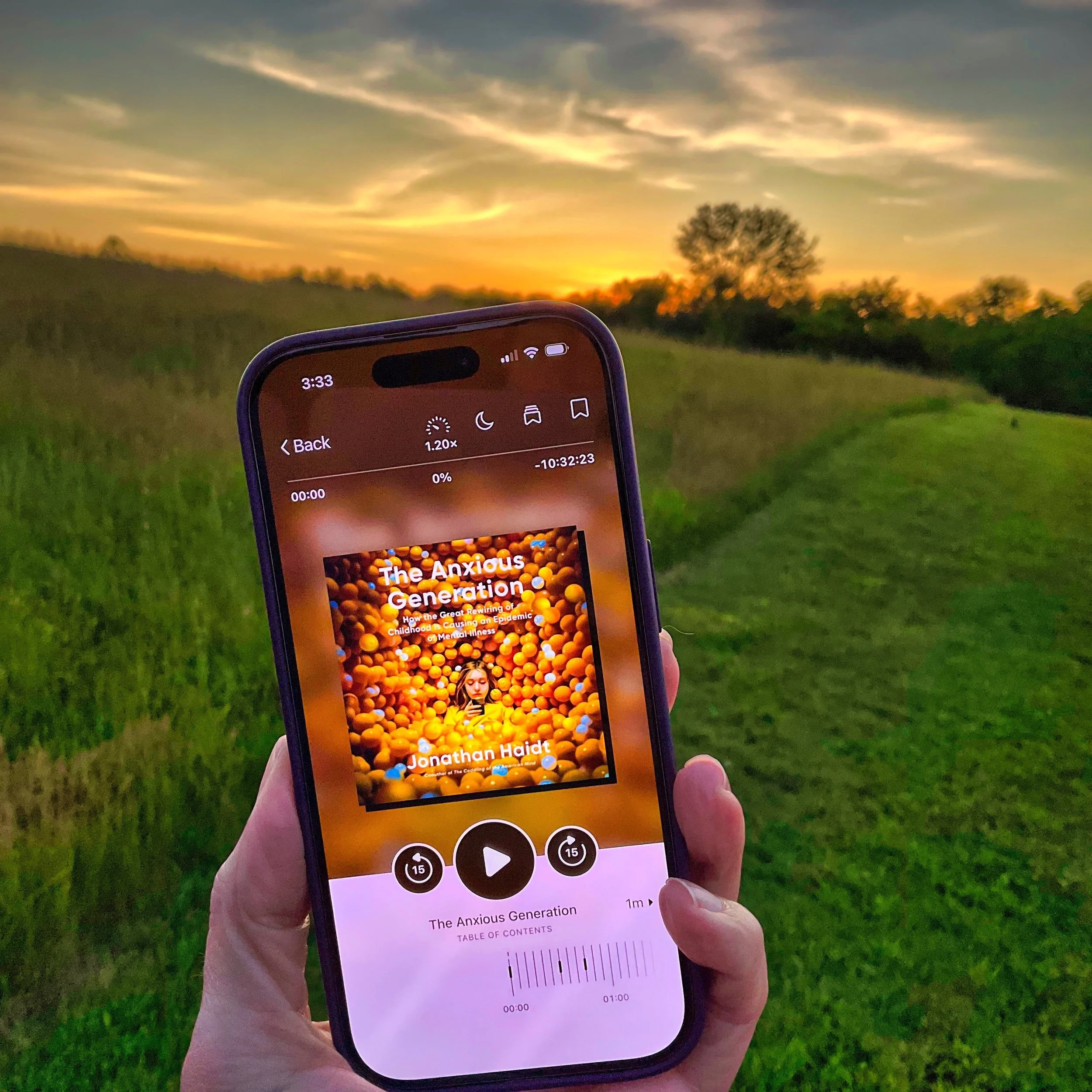
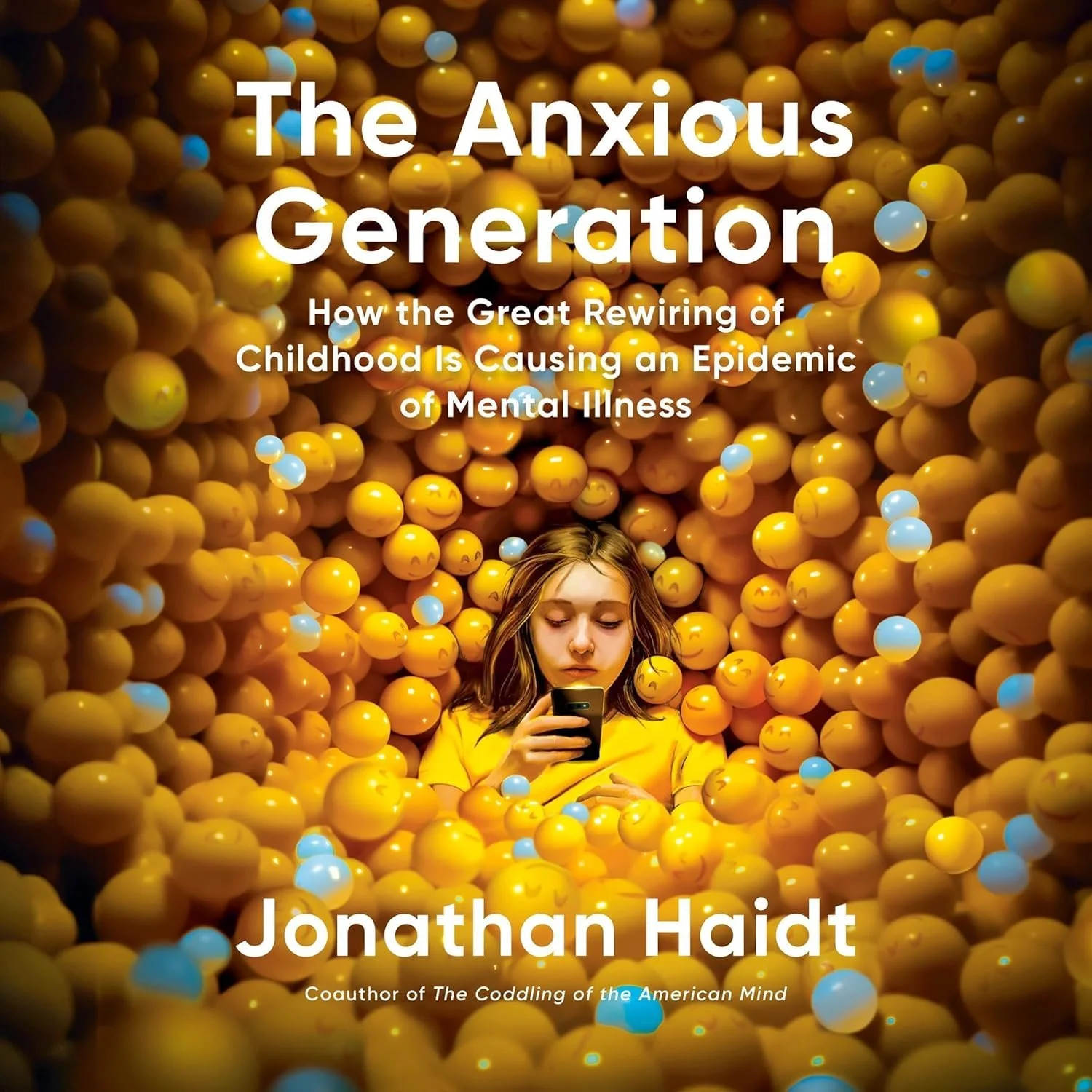
I’ve seen an enormous amount of praise for The Anxious Generation: How the Great Rewiring of Childhood Is Causing an Epidemic of Mental Illness by Jonathan Haidt, and my curiosity finally got the better of me. As a retired therapist with no children and no background in education, I wasn’t sure the book was aimed at me. Still, I wanted to explore whether its arguments aligned with my own suspicions about smartphones and social media’s impact on young people.
I’m so glad I read it.
Haidt, a social psychologist, delivers a compelling, data-driven examination of the sharp rise in anxiety, depression, self-harm, and suicide among adolescents since the early 2010s. He argues persuasively that this mental health crisis stems from a profound cultural shift: the replacement of a play-based childhood—filled with free, unsupervised outdoor play and real-world social interactions—with a phone-based childhood dominated by smartphones, social media, and constant online connectivity.
Haidt carefully connects the dots between “overprotective” parenting in the real world (often called helicopter or fearful parenting) and “underprotective” policies in the digital realm. Together, these trends have robbed children of the experiences they need to develop resilience, social skills, and independence. He explores specific mechanisms—sleep disruption, attention fragmentation, addiction-like design, social comparison, and loneliness—that hit girls particularly hard through social media and boys through gaming and social withdrawal.
The book blends rigorous research, international data, and accessible explanations with clear, practical solutions. Haidt proposes four key reforms: no smartphones before high school, no social media before age 16, phone-free schools, and much more unsupervised playtime.
As someone who has grown weary of research studies after graduate school and a dissertation, I was pleasantly surprised by how engaged I remained. The statistics never felt overwhelming, and the findings confirmed what I had long suspected. Even without kids, I found the book deeply relevant. The insights about mental health impacts apply just as much to adults navigating social media.
I especially appreciated that Haidt maintains an active website and Substack (After Babel), where he continues sharing updated data and resources. It’s refreshing to see an author remain engaged with the conversation beyond the book itself.
That said, I cannot ignore what feels like a glaring inconsistency. After finishing the book, I discovered that Haidt maintains active accounts on both Facebook and Instagram. Given how forcefully he critiques these platforms in the book—detailing how they exploit children’s psychology, drive addictive usage, expose young users to pornography, and knowingly harm mental health—this feels deeply hypocritical. He understands the damage better than most, yet continues to support the very companies (particularly Meta) profiting from it.
Years ago, I deleted my own Facebook account after seeing the performative nonsense and distorted realities it encouraged. I also left Instagram after watching Mark Zuckerberg’s congressional testimony, which only reinforced everything Haidt describes. If we truly believe these platforms are doing serious harm—especially to children—our actions need to match our words.
Overall, The Anxious Generation is an excellent, important book that I highly recommend to everyone, whether you have kids or not. It’s insightful, well-researched, and offers both diagnosis and genuine hope for change. I just wish the author would practice what he so convincingly preaches by deleting his own Facebook and Instagram accounts.
Audiobook note: I listened to the audiobook version via Libby. Haidt narrates the introduction himself, then professional narrator Sean Pratt takes over and does an outstanding job.
As a participant in the Amazon Associates Program, I earn from qualifying purchases linked back to Amazon. Every penny earned allows me to blog about books and keeps this site running.
