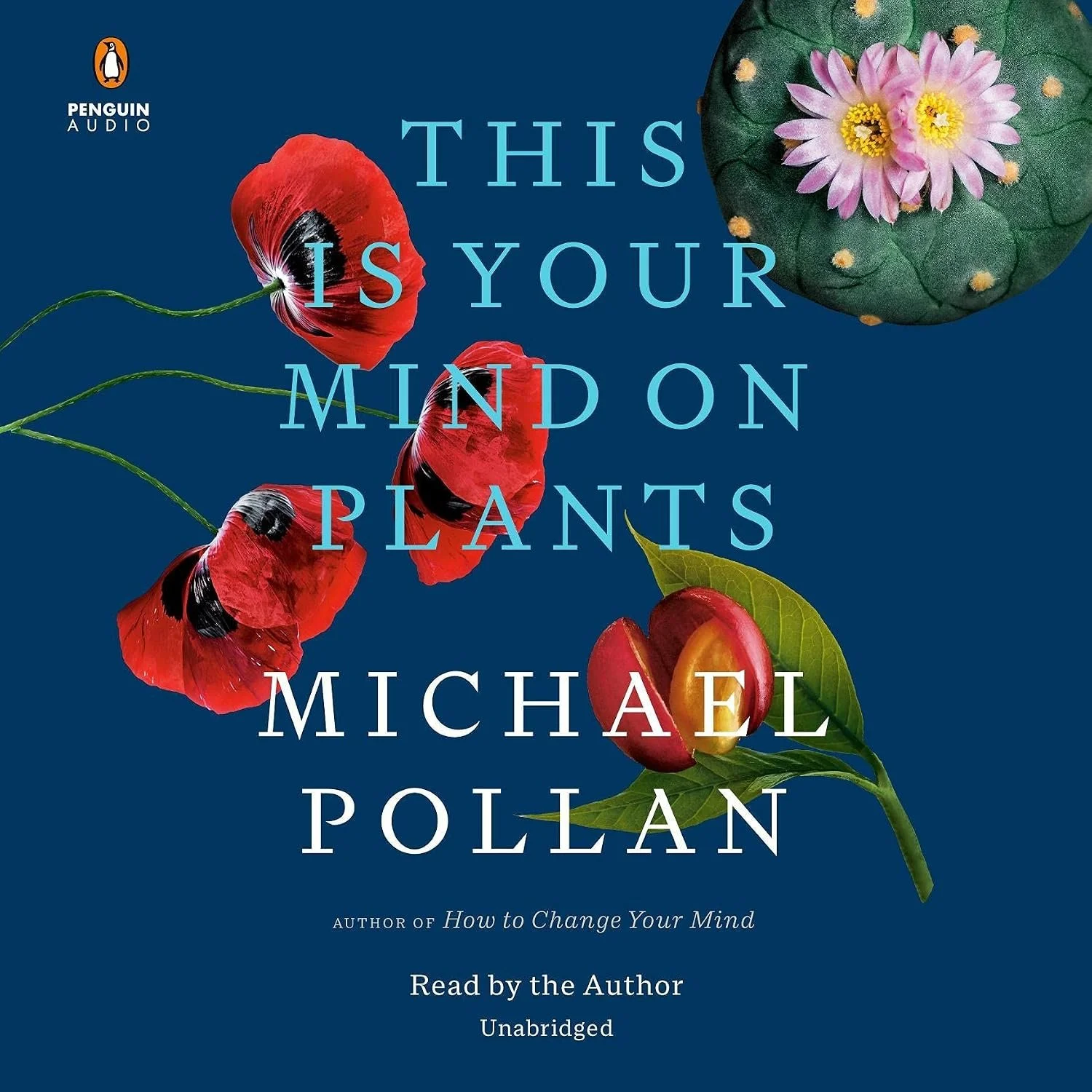
This is Your Mind on Plants (by Michael Pollan)
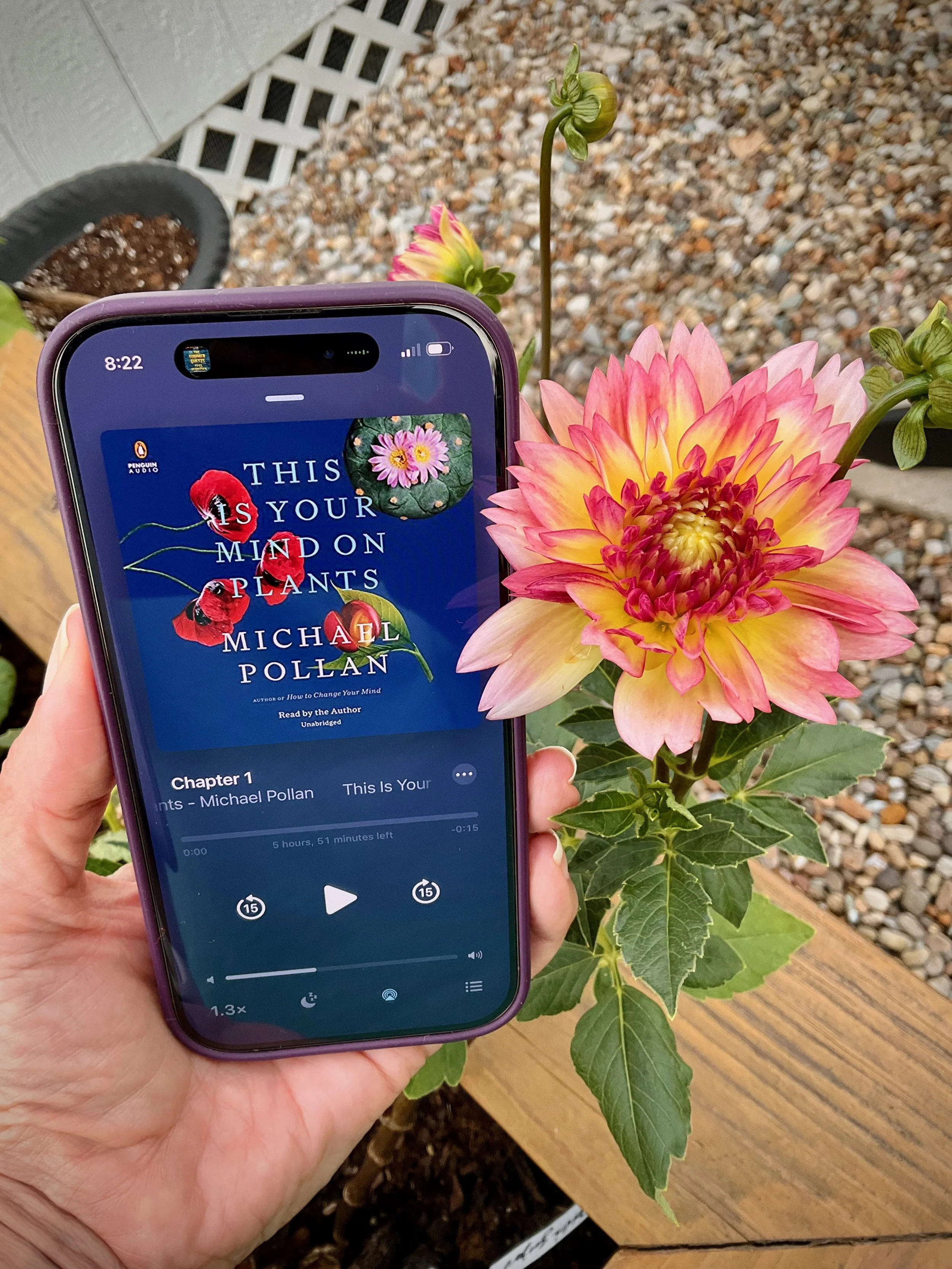
Opium, caffeine, and mescaline—and how we decide what counts as a drug
I was introduced to Michael Pollan when my husband suggested I read How to Change Your Mind. I'm not entirely sure of his motives for that recommendation, but I sincerely enjoyed the book. Since then I’ve collected several more of Pollan’s titles in audio and have been working through them slowly. This Is Your Mind on Plants was one of those books I kept noticing in bookstores and in my library and thinking, I have to get to that. This time, I did.
Pollan takes three plant-derived substances that shift consciousness—opium, caffeine, and mescaline—and treats each as a case study in how culture, law, and power decide what counts as a “drug.” Growing opium poppies in his garden for a 1990s Harper’s piece shows how quickly an ordinary flower becomes illegal once you know what is in the pods. Quitting caffeine reveals how thoroughly coffee and tea have shaped alertness, work, and sleep. Seeking mescaline through peyote and San Pedro cactus leads him into Indigenous ceremonial use and a long history of prohibition and appropriation.
The book blends history, botany, personal experiment, and reporting. Pollan’s larger point is that our attraction to these plants is ancient and widespread, while the line between medicine, sacrament, habit, and crime is often arbitrary. He treats the plants not only as chemicals but as partners in a long human–plant relationship that the war on drugs reduced to a simple moral story.
I was glad he narrated the audiobook. He is a pleasure to listen to, and his humor and storytelling make the material land more fully than the page alone might have.
The sections on criminalization took me straight back to my years as a substance-abuse therapist in a federal prison. I met many people whose path inside began with a prescription for OxyContin or oxycodone and the physiological dependence that followed. I have hoped for years that policy would move toward decriminalization. There has been some movement—slow, and sometimes reversed. What I appreciated in Pollan was his insistence that usefulness and harm are not the same question. For people who use substances, what matters is how that use shapes daily life.
I still think of myself as a new gardener, so I loved his gardening stories and recognized the impulse. My husband enjoys the same experiment: start a plant from seed just to see whether he can make it grow. We grew poppies for the first time this year, from seed, for no reason other than the flowers. Learning what those beautiful plants can also contain was fascinating.
The caffeine section traces the history of coffee and tea. Pollan gave up caffeine while he researched and wrote, so the reader gets both the cultural story and the withdrawal. This portion is an updated version of the earlier Caffeine Audible original; I reviewed that earlier recording here.
The last section, on mescaline from San Pedro and peyote, held me most. I appreciated that Pollan names the cacti by their scientific names and that he treats Indigenous ceremonial use with care. His willingness to enter that practice, rather than only describe it from outside, gave the chapter its weight.
This Is Your Mind on Plants did what Pollan does best: it took a familiar subject and made it look new, and it let a garden, a prison caseload, and a cup of coffee sit in the same conversation.
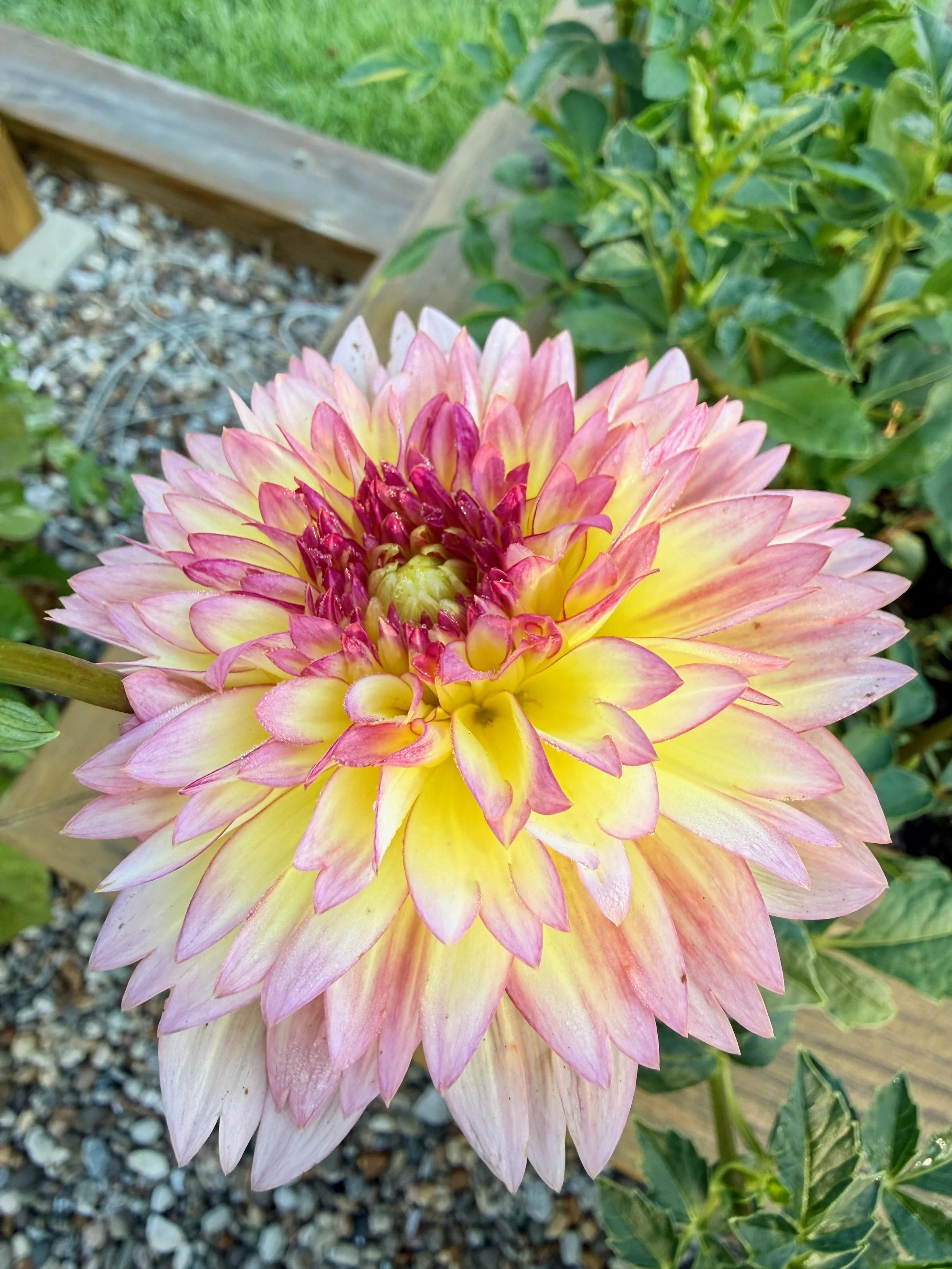
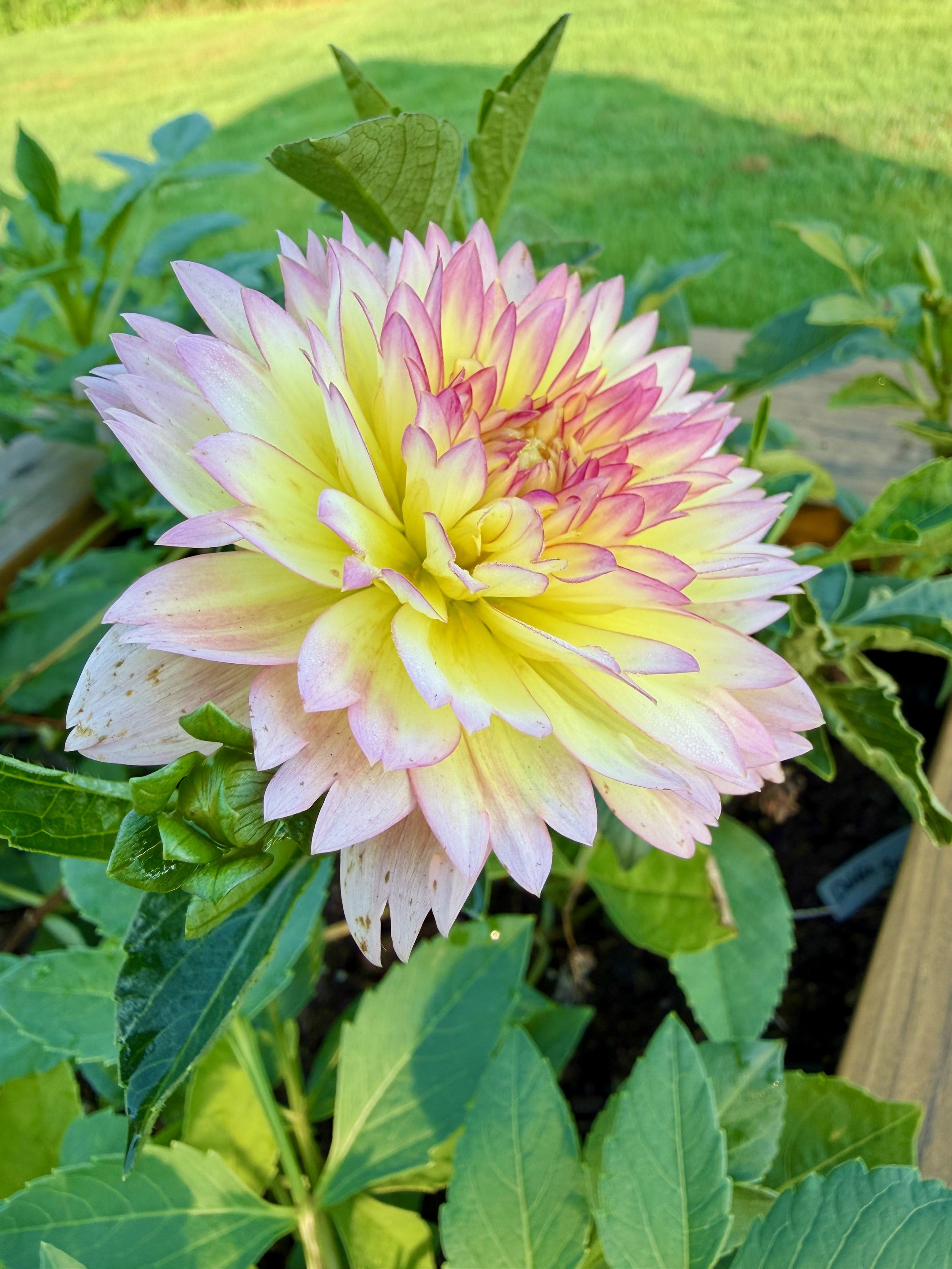
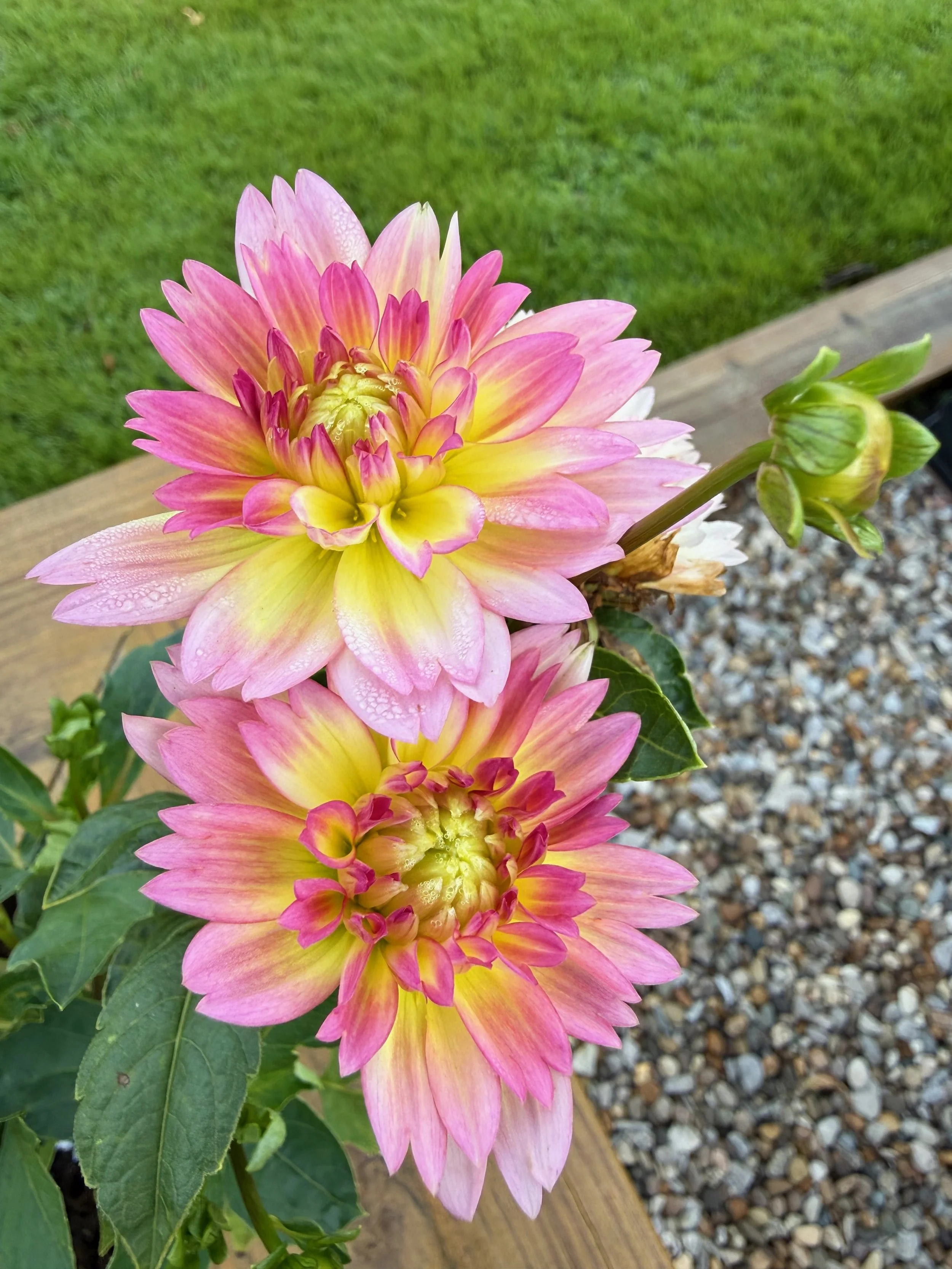
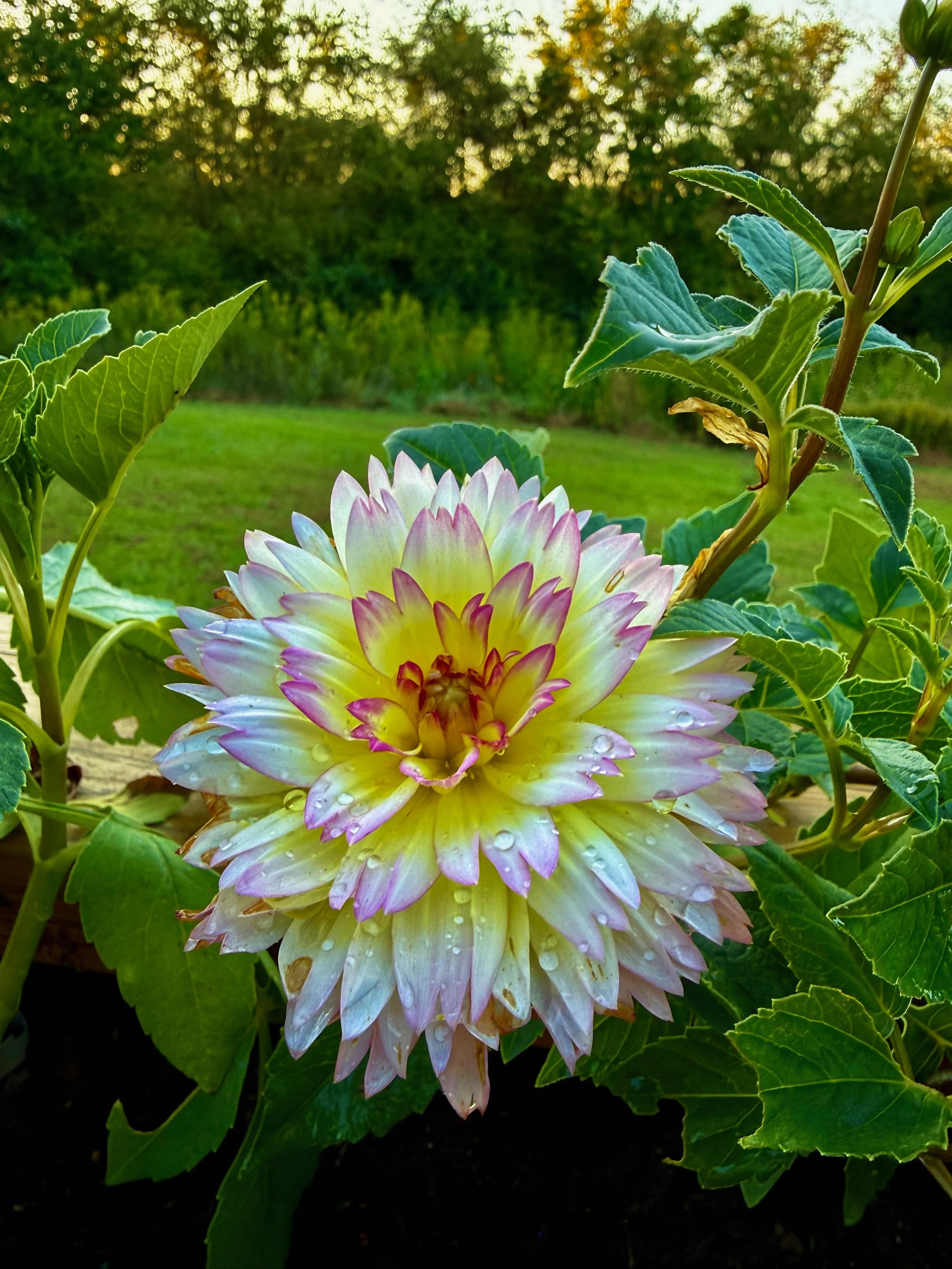
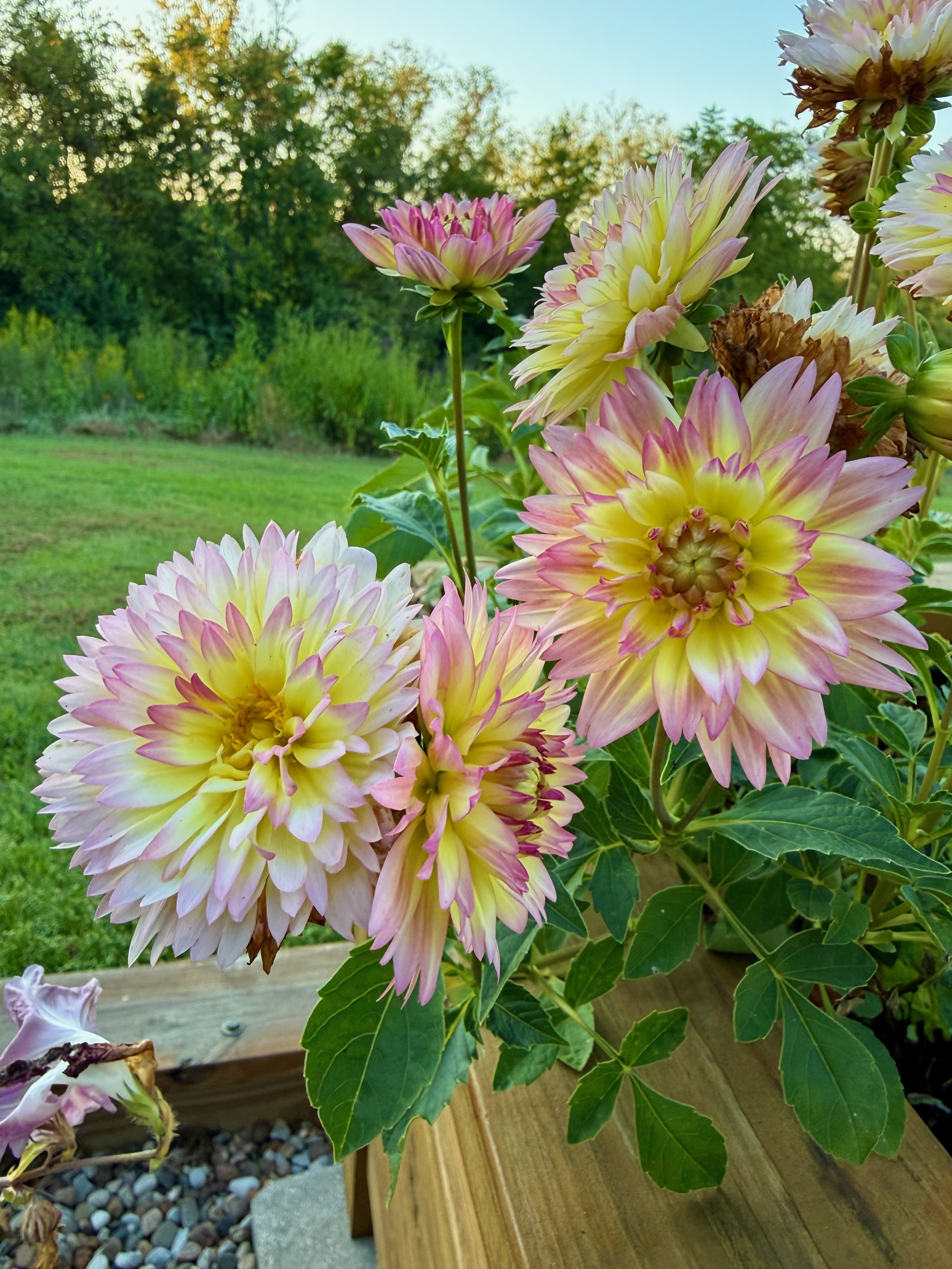
My Zingaro dahlias aren’t a controversial plant, as far as I know—just a beautiful one. Here are a few snapshots from their peak this growing season.
As a participant in the Amazon Associates Program, I earn from qualifying purchases linked back to Amazon. Every penny earned allows me to blog about books and keeps this site running.
