
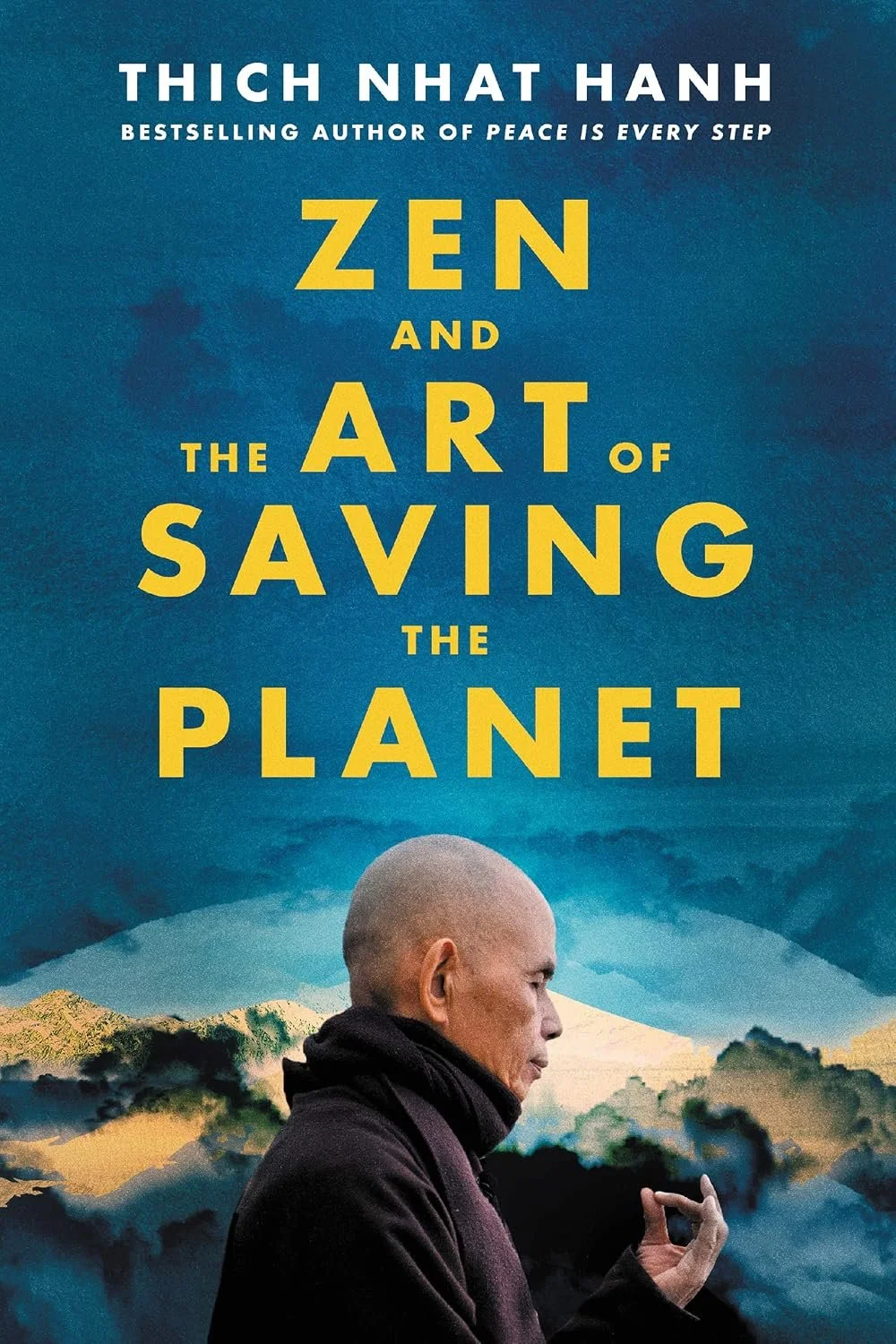
Zen and the Art of Saving the Planet (by Thich Nhat Hanh)
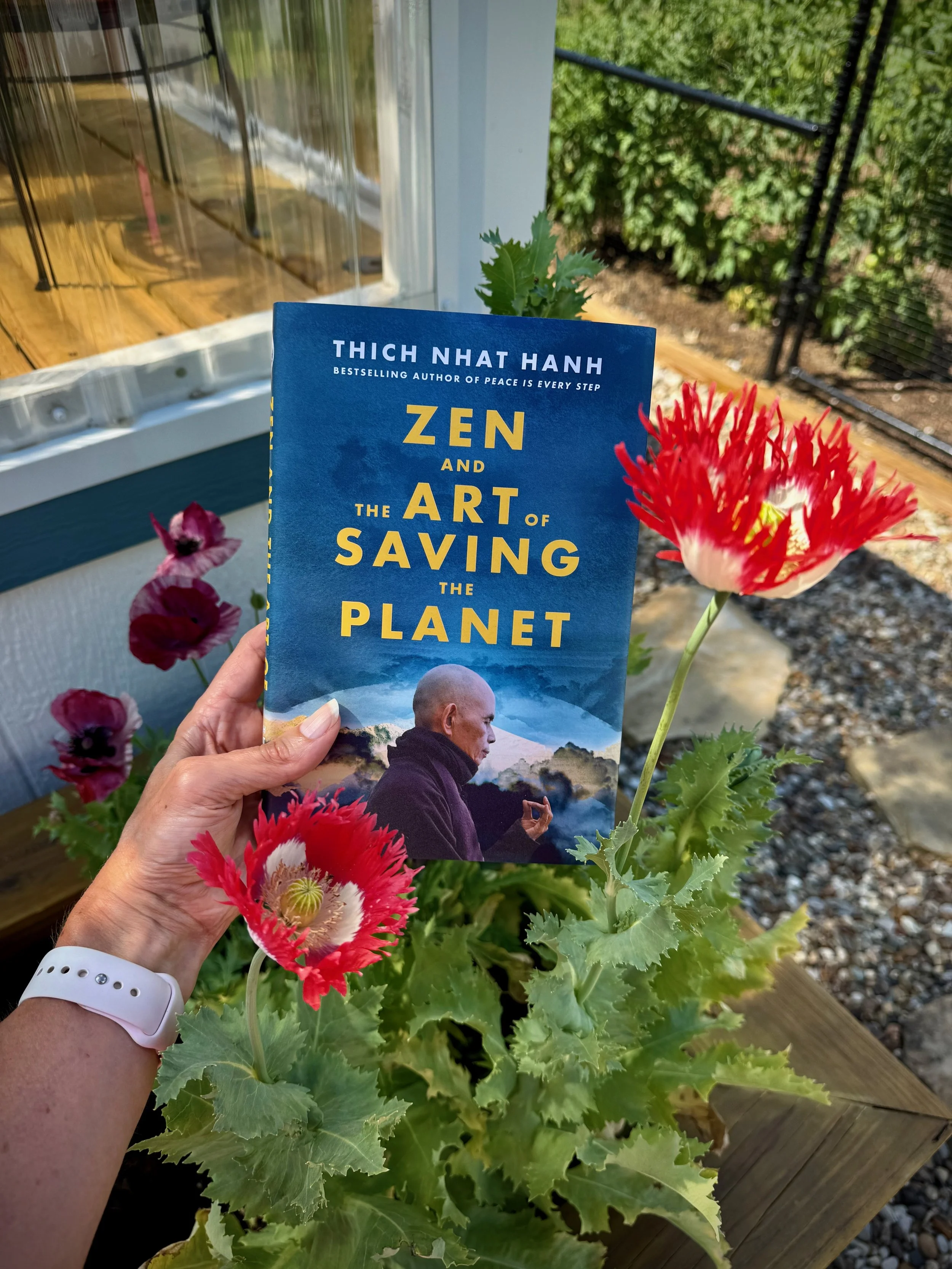
I’m incredibly grateful for teachers like Thich Nhat Hanh and his generous willingness to share such profound wisdom. I’ve long admired him through videos of his teachings and have gently perused several of his books, but this is the first time I sat down to quietly contemplate and reflect on one in its entirety.
Zen and the Art of Saving the Planet brings together talks the beloved Zen master gave in his final years. Compiled and edited from his teachings (with contributions from his students), the book argues that real, lasting change for our planet must begin with a shift in collective consciousness—learning to see our deep interconnection with the Earth and with one another. Thich Nhat Hanh teaches that healing ourselves, our relationships, and the planet starts with mindful awareness, the recognition of “interbeing,” and the cultivation of love, understanding, and non-violent action.
Rather than succumbing to despair or overwhelm, the book offers gentle guidance on facing difficult emotions, building inner resilience, and taking meaningful steps toward environmental protection and social justice. It is both spiritual wisdom and a heartfelt call to “be the change” through daily mindfulness practices.
For me, this was a beautiful book that invited slow, contemplative reading. I especially enjoyed the way his students’ personal stories and applications of mindfulness were interwoven with his teachings, providing relatable, grounded illustrations of his words. Early in the book, Thich Nhat Hanh shares the history of Buddhism and the creation of specific Buddhas—stories I found fascinating.
Many aspects of the book resonated deeply with me, blending familiar truths with fresh insights. Mindfulness has long shaped how I choose to spend my time, energy, and attention, and my husband and I have had countless conversations about its role in our daily lives and major life transitions.
One particularly eye-opening concept for me was Thich Nhat Hanh’s teaching on our connection to our ancestors—that we continue to work through their unresolved patterns and suffering. While I’ve understood this idea in broader cultural contexts, I had never considered its personal application to my own parents and grandparents. That realization has been both surprising and profoundly moving.
I also felt validated reading his teachings on consumption—not just what we eat, but what we read, watch, and listen to—and how it shapes our mindset and beliefs. This was something I regularly emphasized with clients during my years as a therapist in a drug treatment program, but his words reminded me how universally it applies, especially during times of personal growth or change.
My biggest takeaway is the constant reminder to practice equanimity: a calm, balanced state of mind that allows us to remain centered amid pleasure and pain, success and failure. You still feel emotions and care deeply, yet you’re not swept away by reactivity or attachment. Thich Nhat Hanh’s profound examples from his own life, including incredibly difficult situations, made this teaching especially powerful and timely for me.
While I don’t expect to reread the book cover to cover, I will certainly return to specific sections. In fact, this experience has inspired me to explore more of his masterful works.
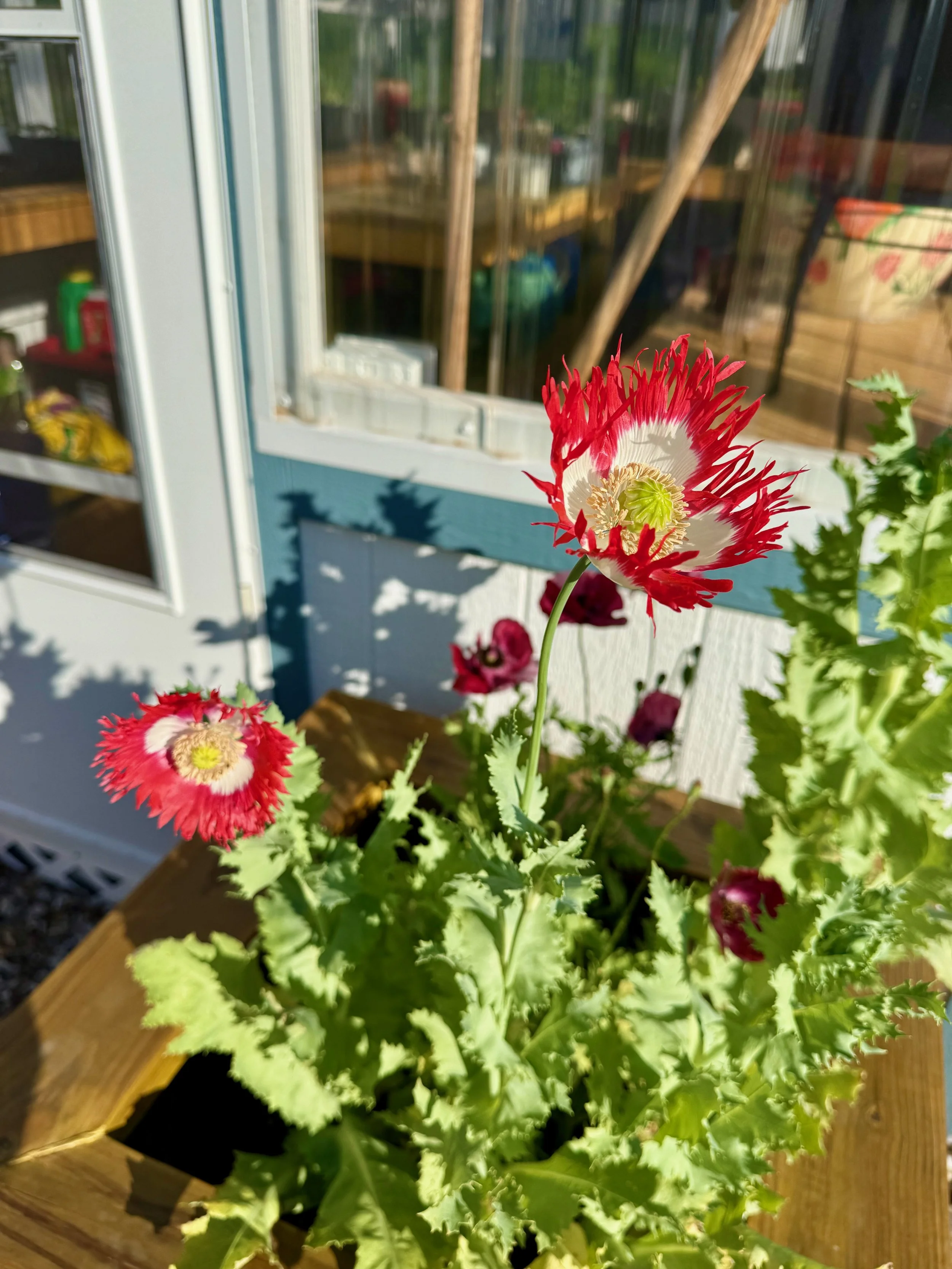
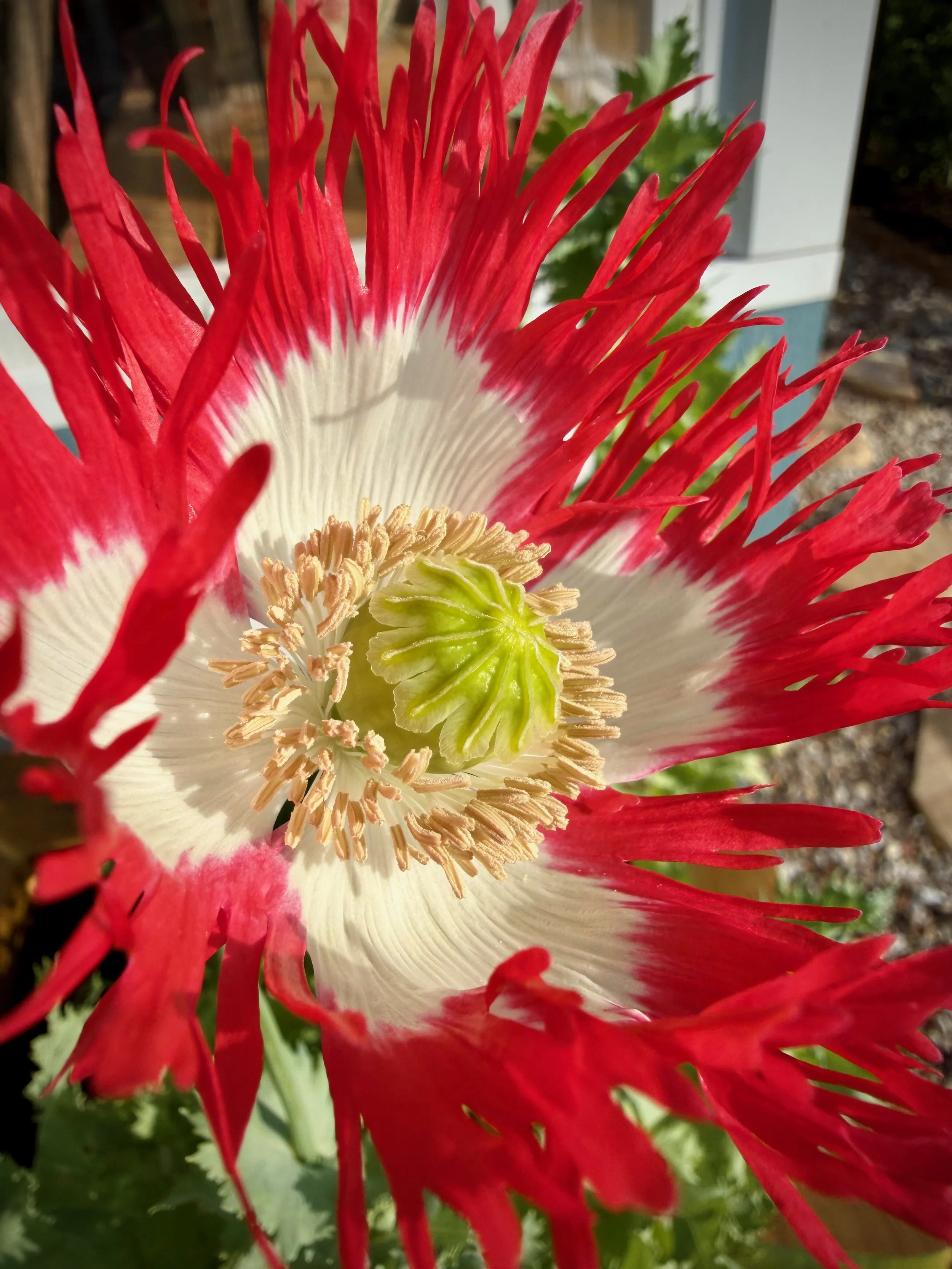
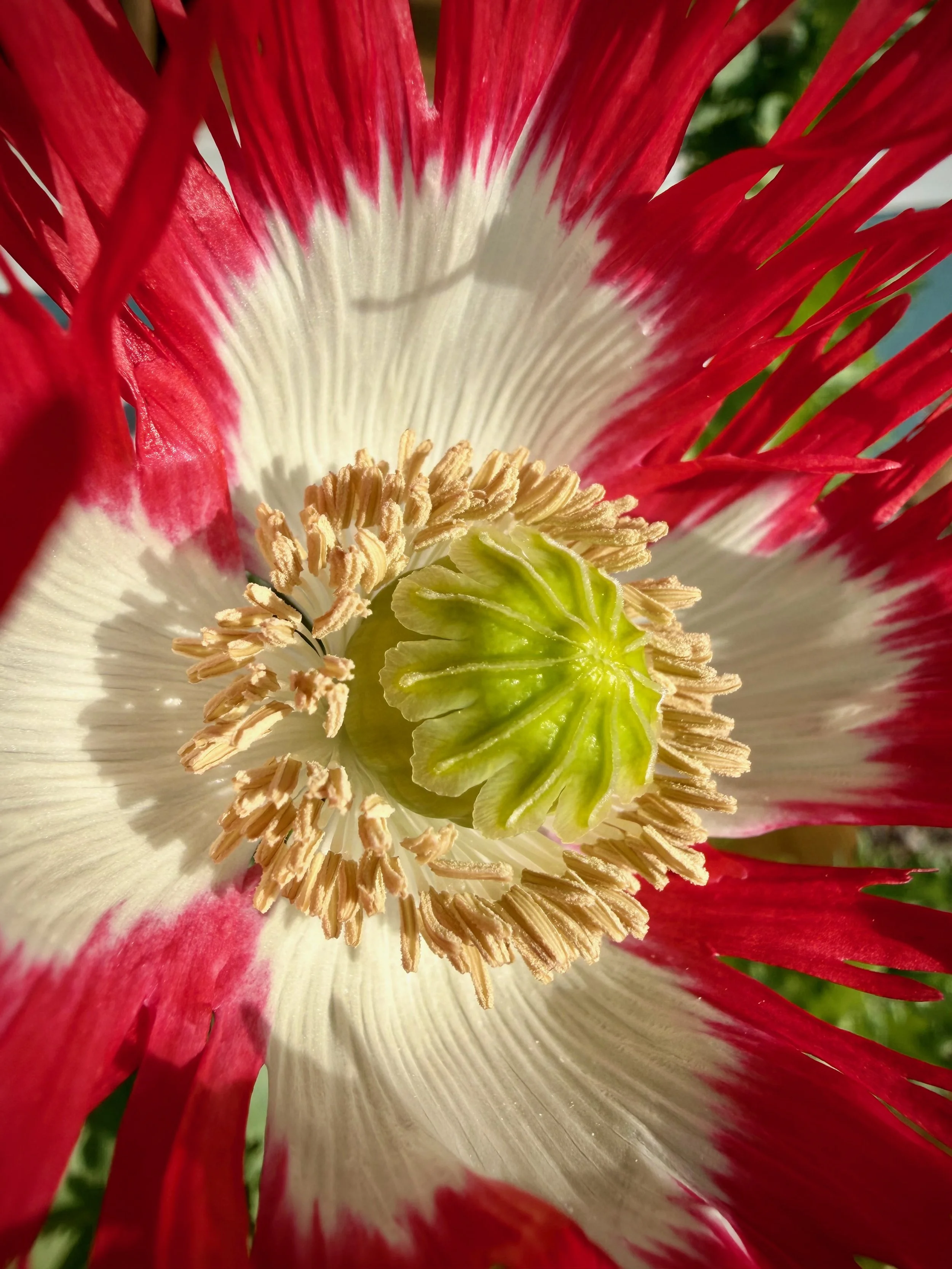
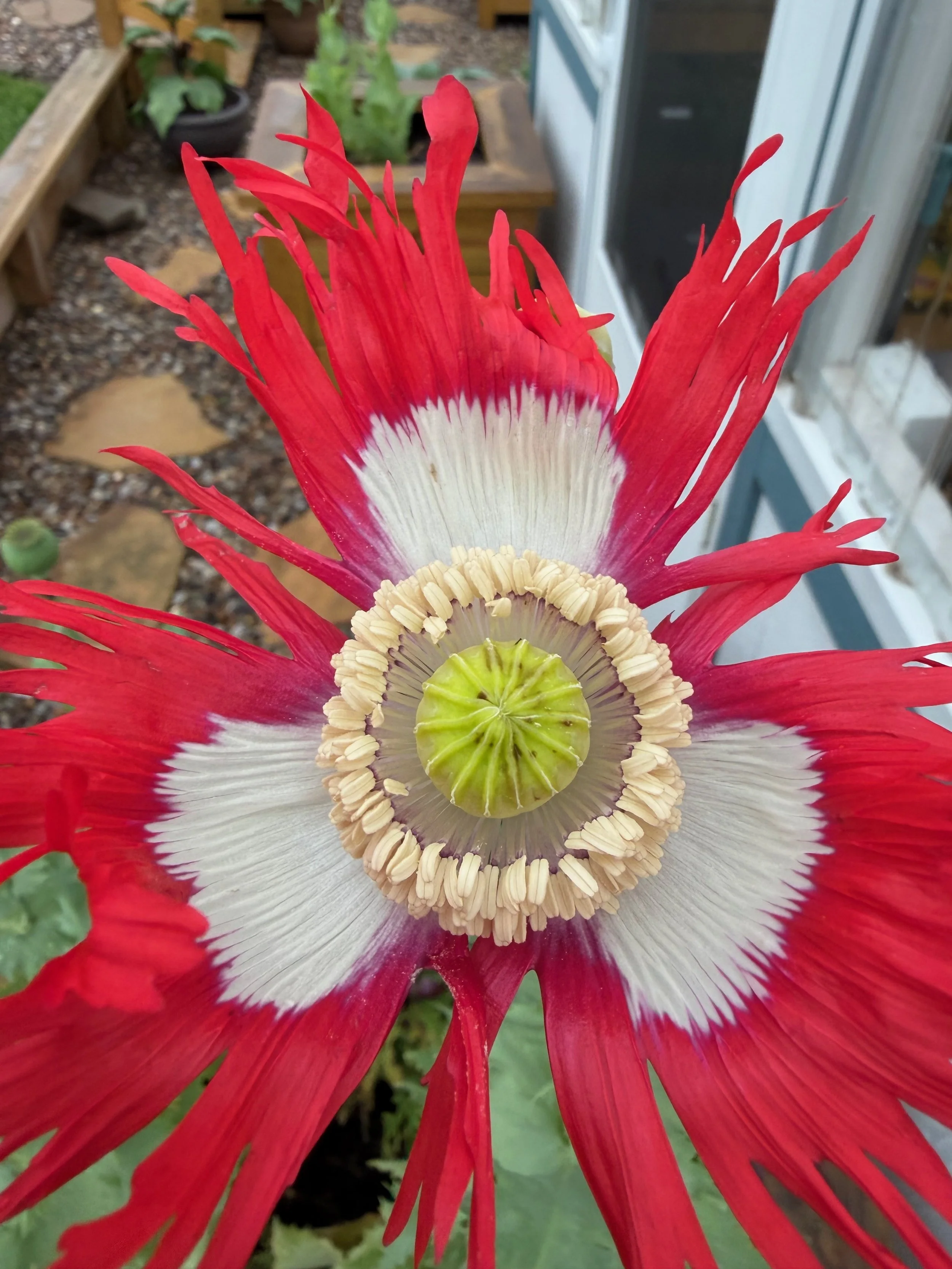
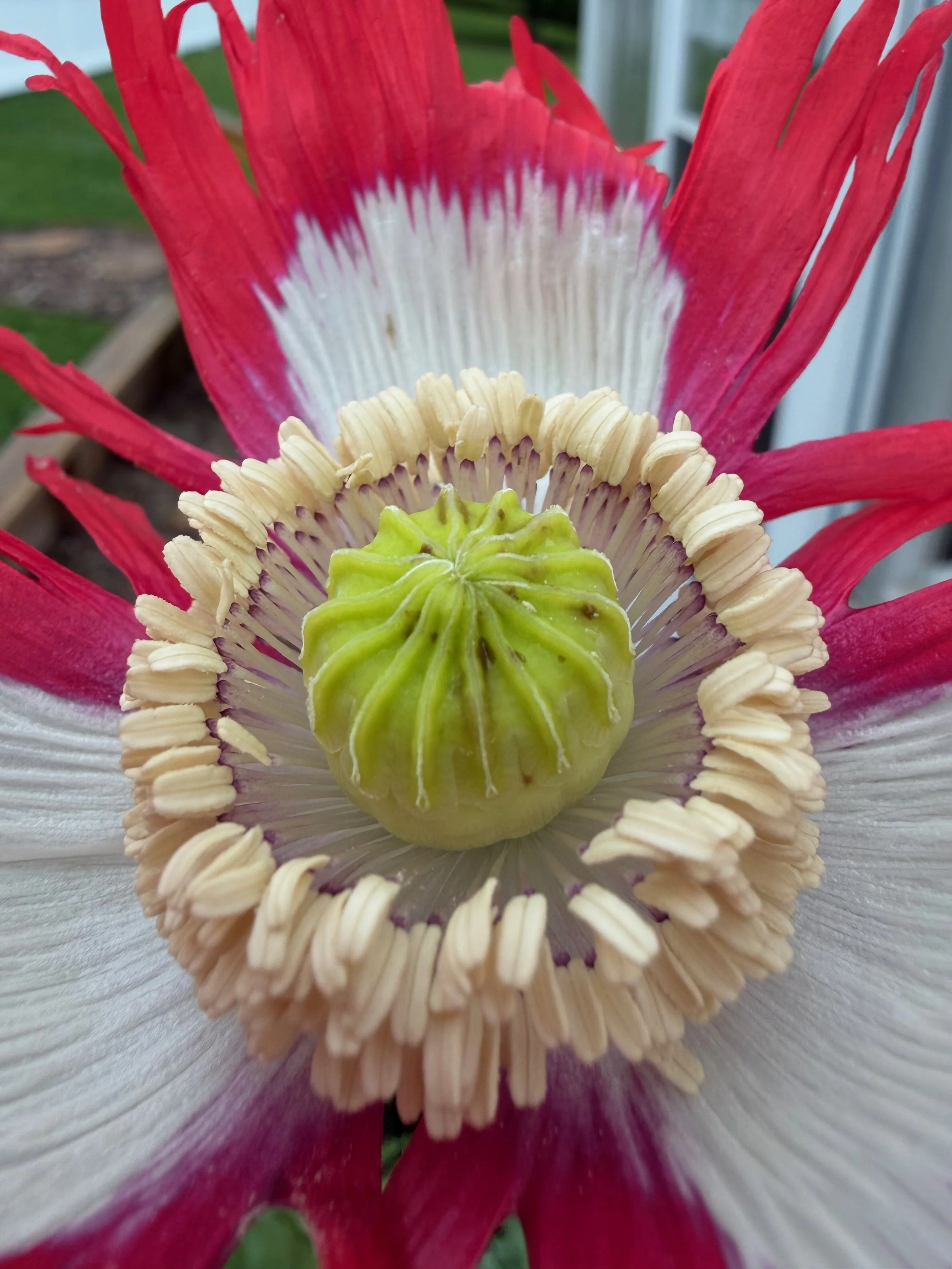
This is the first year we've successfully grown poppies, and all the credit goes to my husband for his dedication and determination. Here are some additional photos of the Danish Flag variety, showcasing his incredible photography skills.
Photo credit: lostthepath.com
As a participant in the Amazon Associates Program, I earn from qualifying purchases linked back to Amazon. Every penny earned allows me to blog about books and keeps this site running.
