What I Learned After Reading Both the Condensed Autobiography and the Full Letters
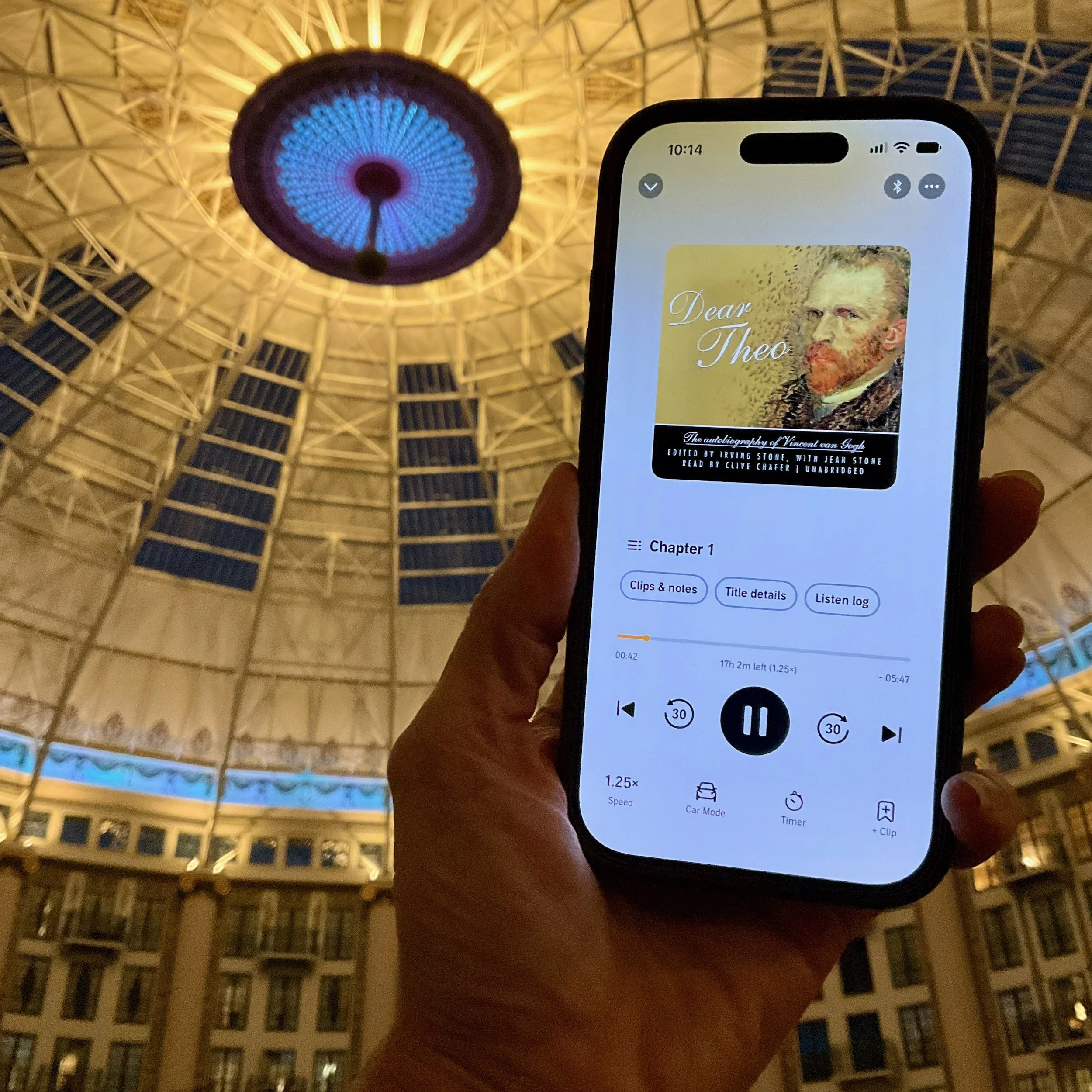
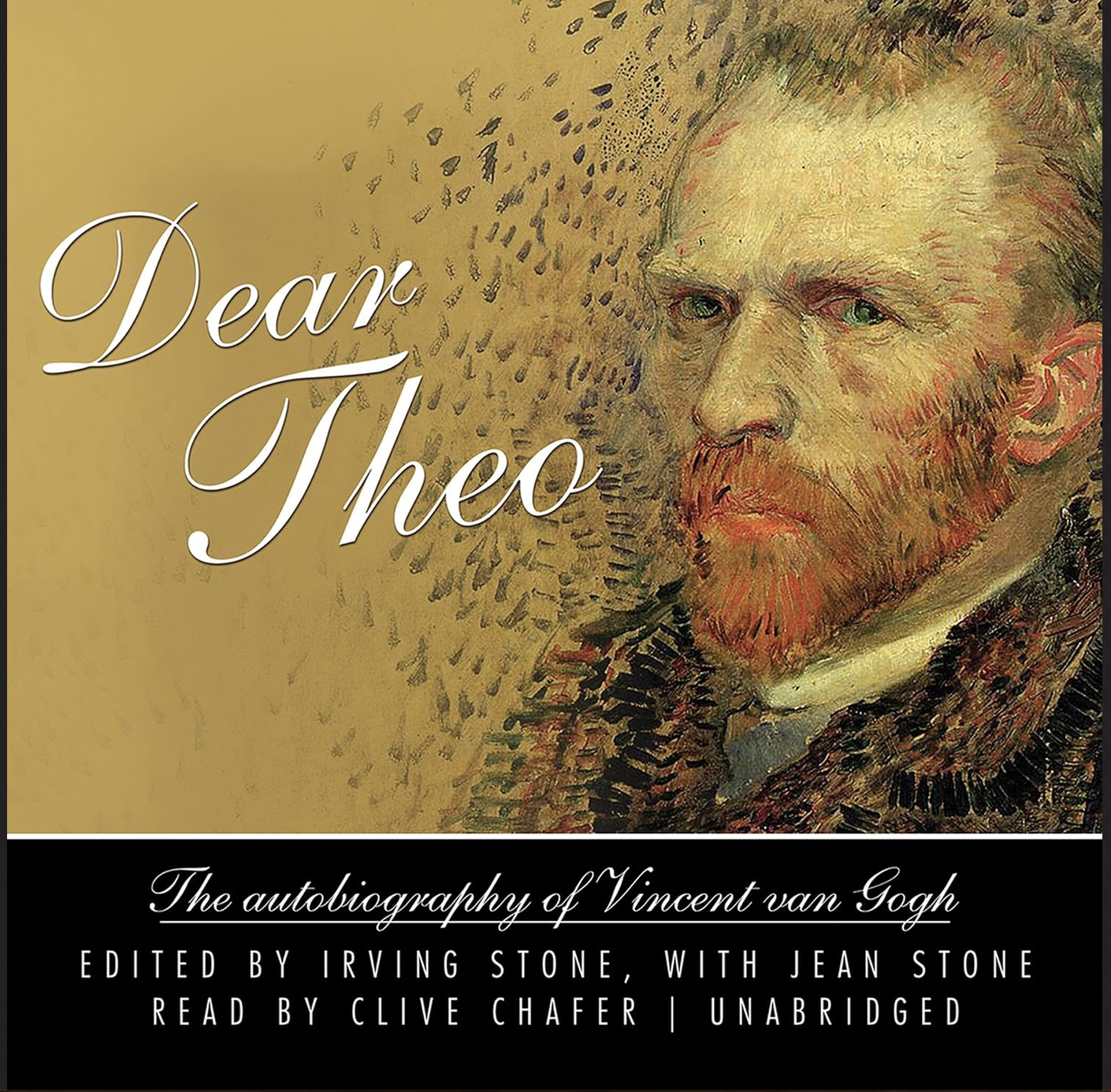
I recently spent about nine months reading the three-volume Complete Letters of Vincent van Gogh and absolutely loved it. After finishing, I wanted to listen to the audiobook of Dear Theo: The Autobiography of Vincent van Gogh, arranged by Irving Stone, which was included with my Audible membership. I’d been curious about the differences between the two books, and now I fully understand them.
Dear Theo is a carefully selected and arranged collection of Vincent van Gogh’s letters to his younger brother Theo. As the book’s opening explains, after Jo van Gogh-Bonger’s death, Vincent’s nephew approached Irving Stone and asked him to create a condensed version of the three-volume set that would be more suitable for American readers. The idea was that many people would be more inclined to read about Vincent if they weren’t faced with the size and bulk of the original volumes.
The letters included here span from the early 1870s through Van Gogh’s death in 1890 and are shaped into a continuous first-person narrative. They trace his failed early careers as an art dealer and preacher, his turn to painting, years of poverty and isolation, his struggles with mental illness, and his passionate, often anguished pursuit of art. Throughout, Theo remains his essential confidant and financial supporter. The result is an intimate self-portrait of the artist’s thoughts on color, nature, fellow painters, daily hardship, and creative drive—revealing the man behind works such as The Starry Night and The Bedroom in his own unfiltered words.
The audiobook is perfectly narrated by Clive Chafer. It was especially nice to hear the correct pronunciation of people’s names and places.
I found Dear Theo to be a wonderful book. It’s an excellent option for anyone who doesn’t have access to the original three-volume set. The edited correspondence preserves the emotional intensity of the letters while removing much of the repetition and mundane detail, creating a highly readable autobiography in letter form.
That said, Dear Theo seemed to end more abruptly than the original letters. It also omits the additional correspondence with artist friends Émile Bernard and Anthon van Rappard, the letters to his sister Willemien, and the letters from Theo and Jo.
I’m glad I’ve now read both books, and especially glad I read the original three-volume set first. You can read my review of The Complete Letters of Vincent van Gogh here, where I also include book recommendations and additional information.
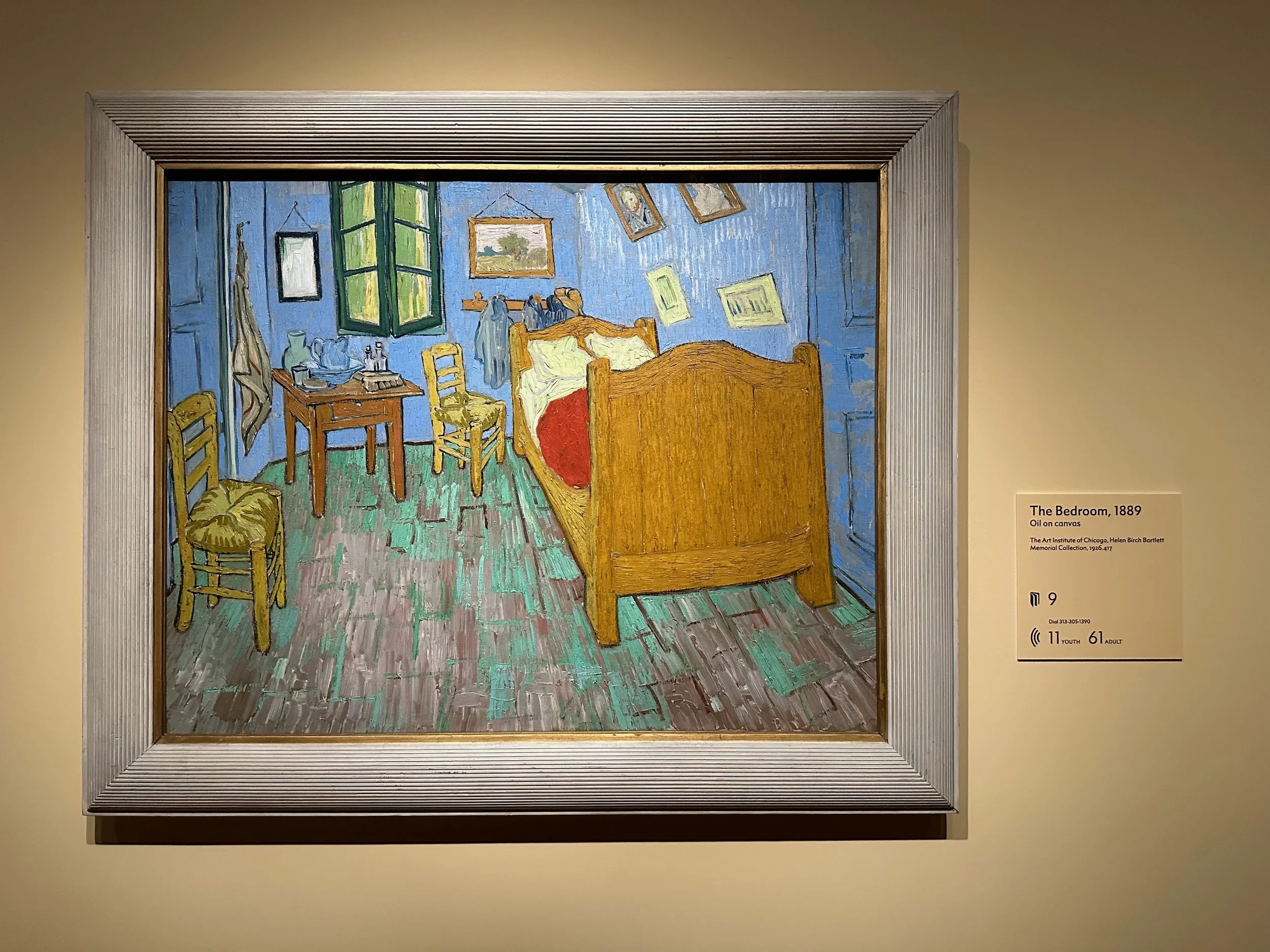
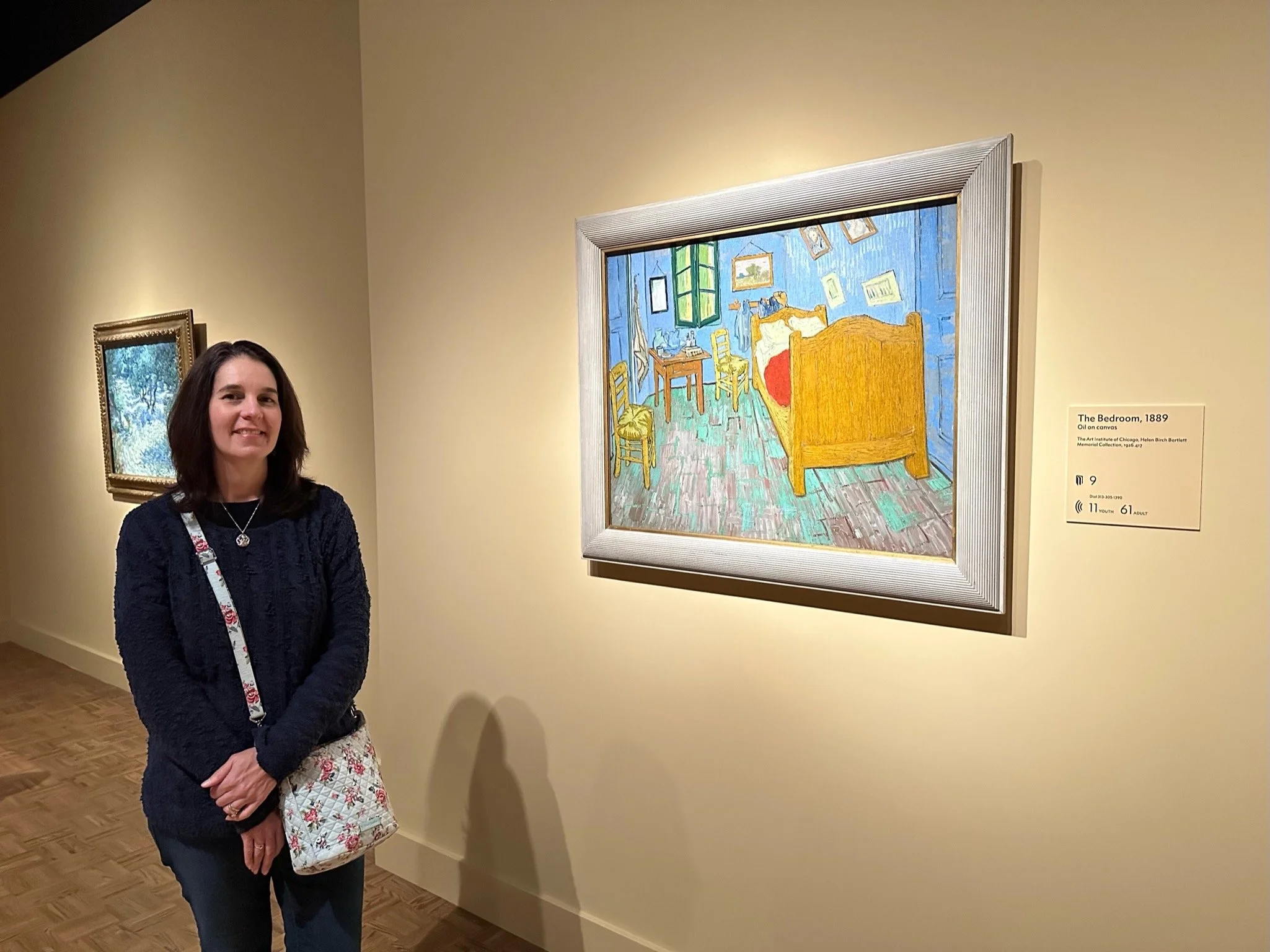
Reading the letters makes certain paintings feel even more personal. I’ve been drawn to Vincent’s painting The Bedroom ever since I saw it for the first time at the Art Institute of Chicago in 2017. I’d never been particularly fond of it before seeing it in person, but that day something shifted, and it’s become one of my favorites—perhaps because it’s such an intimate image of his living space. My favorite period of his life was when he lived in that little yellow house in Arles. I was ecstatic to see the painting a second time when my husband and I attended the Van Gogh in America exhibit at the Detroit Institute of Arts in 2022. My Adventures post is linked below.
“I do not pretend to anything less than that it would greatly astonish me if in time my work did not become just as salable as others. Of course, I cannot tell whether that will happen now or later.” ~Vincent van Gogh
As a participant in the Amazon Associates Program, I earn from qualifying purchases linked back to Amazon. Every penny earned allows me to blog about books and keeps this site running.
