
The Let Them Theory (by Mel Robbins
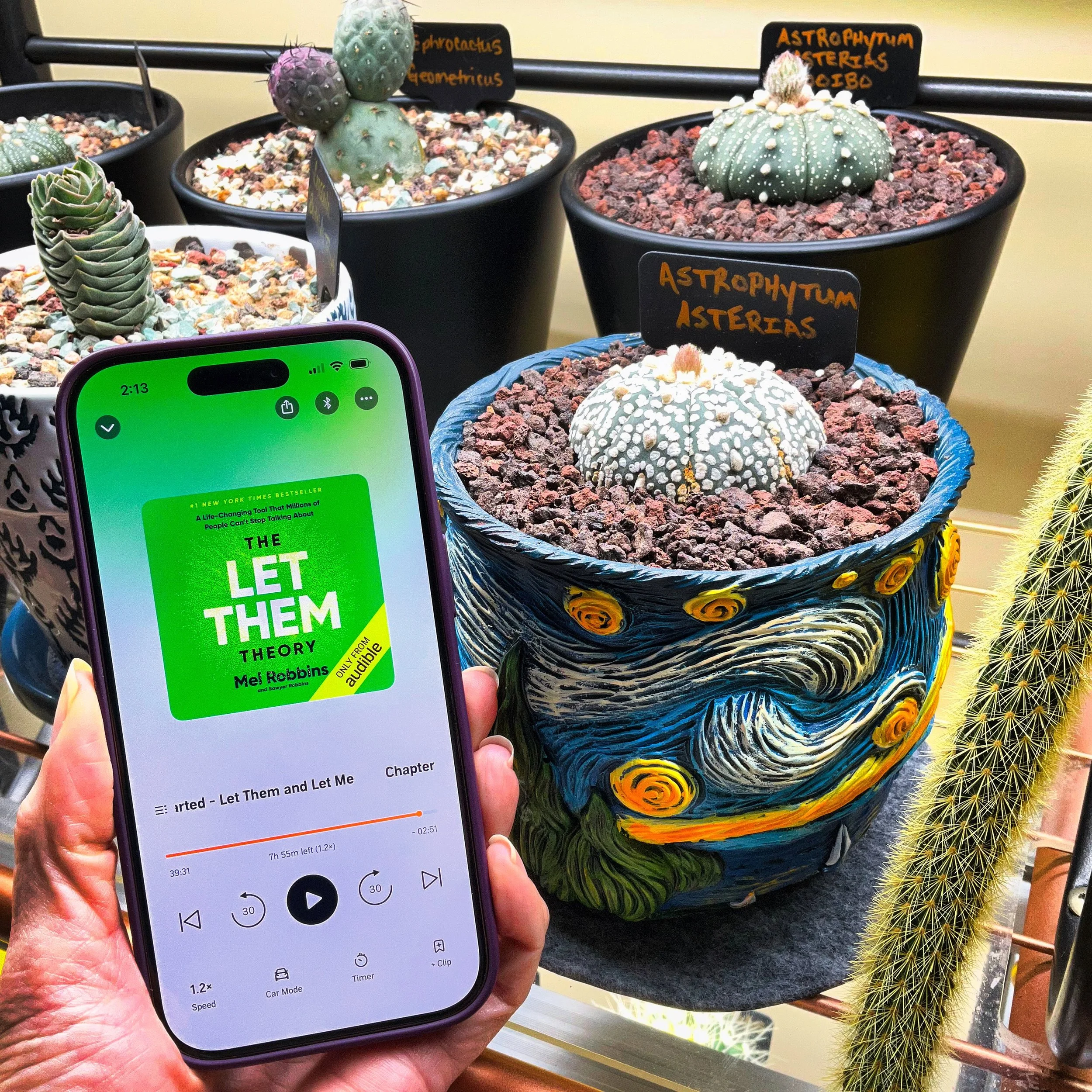
My husband regularly meets with a highly skilled APRN for his mental health. After one of their sessions, he enthusiastically recommended a book called The Let Them Theory by Mel Robbins. I was familiar with the book, and since the APRN had recommended it, I decided to read it. I ended up purchasing it through my Audible membership during one of their fantastic buy one get one sales.
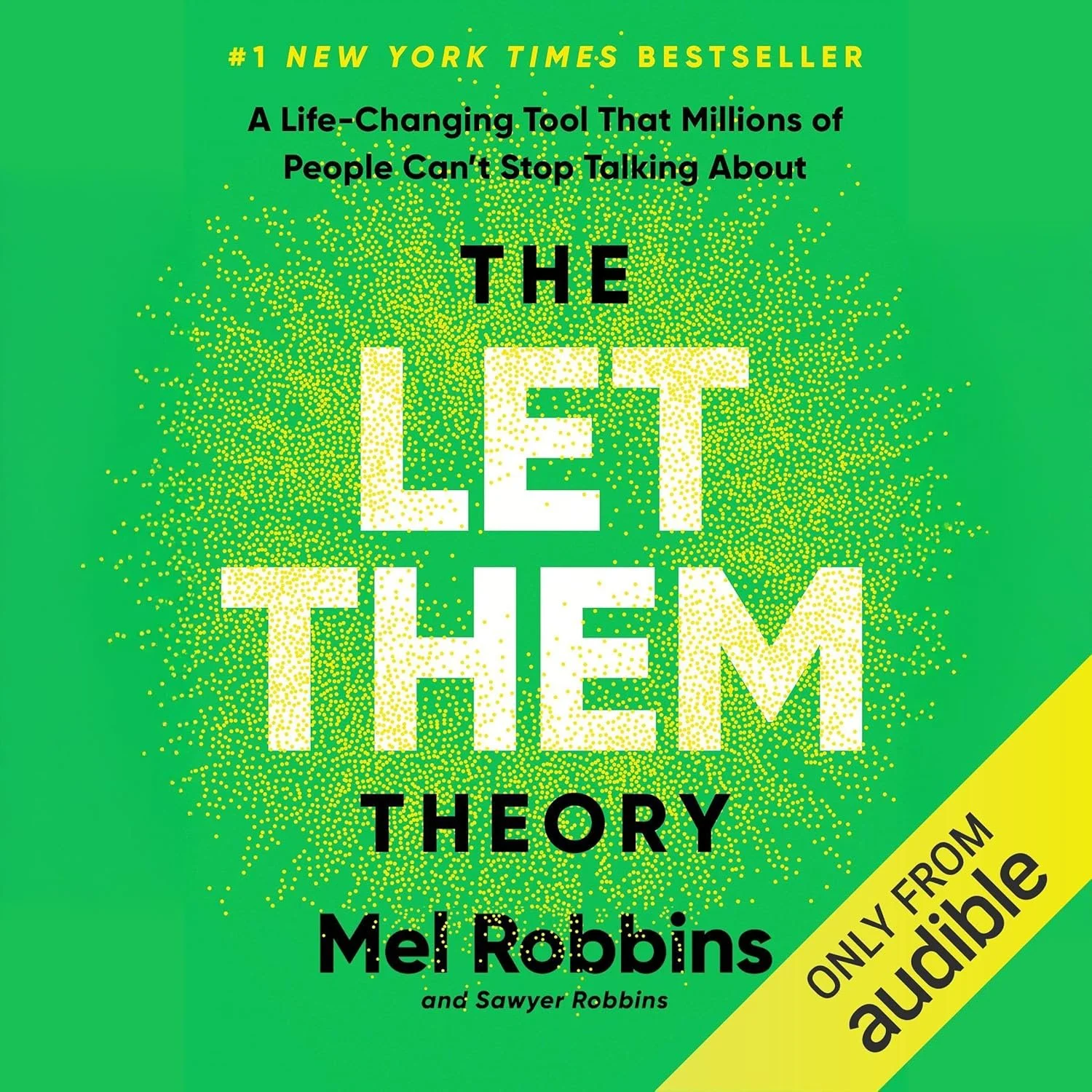
The Let Them Theory by Mel Robbins (co-authored with her daughter Sawyer Robbins) introduces a powerful mindset tool that helps individuals reclaim personal peace, energy, and control over their lives. The central concept revolves around two simple words: “Let Them.” Robbins explains that much of our stress, frustration, and emotional exhaustion stem from our attempts to control others’ opinions, actions, choices, drama, judgments, or behaviors—things that are ultimately beyond our control. By consciously adopting the “Let Them” approach, we release the need to manage or change others, allowing them to be themselves, think their own thoughts, and act in their own ways. This shift frees us from endless cycles of overthinking, people-pleasing, or conflict.
The theory complements the “Let Them” approach by emphasizing a complementary focus on “Let Me.” This shift of attention allows us to focus on what we can control: our own responses, boundaries, goals, happiness, and personal growth. Robbins supports this theory with scientific insights (including information from neuroscience, psychology, and ancient wisdom traditions like Stoicism), relatable personal stories, and practical examples. She demonstrates how to apply this concept in various aspects of life, such as relationships, friendships, work dynamics, family expectations, self-doubt, stress management, and pursuing our dreams.
As a retired therapist and someone who believes in applying personal growth tools to myself and not just my clients, I was thoroughly impressed by how much this book resonated with me. In the beginning, Mel introduces the concept of the Let Them Theory and its connection to Buddhism, which aligns perfectly with my beliefs. Moreover, the Let Them Theory is evidence-based, which is crucial in the field of psychology. This book provided a wonderful opportunity to reflect on my past career and rekindle the use of some valuable tools I’ve discovered over the years. It was both personally enlightening and a refreshing step back into my professional life.
Mel offers numerous personal anecdotes that I either related to or easily illustrated her points, making me eager to read every word of the book. The Let Them Theory has a wide range of applications. She summarizes the key takeaways at the end of each section, which is incredibly helpful. I was particularly excited when she discussed the Motivational Interviewing technique, which I frequently used when working with individuals struggling with change. It’s an incredibly effective approach to facilitating conversations about behavioral change.
Personally, I found the section on understanding friendships and how to make new friends particularly insightful. Since entering retirement, a new chapter in my life, my friendships have evolved, and it’s become challenging to meet new people. I anticipated this change and prepared for it as I transitioned into retirement. I appreciate Mel’s numerous suggestions for fostering new friendships naturally with minimal effort. While I tend to be an introverted person, easily content being alone and often engaging in solitary hobbies, I recognize the importance of connecting with others. I’m already enjoying the small efforts I’ve made to build new friendships.
Coincidentally, an intriguing aspect has emerged recently, prompting me to seek therapy. I’ve noticed a significant increase in my anxiety levels since retiring. My usual coping mechanisms proved less effective, and I couldn’t comprehend the underlying causes. Subsequently, I discovered that my nervous system did not retire when my body did. As a former therapist in a high-stress environment, my brain developed a heightened state of vigilance and a constant scanning for potential threats. Now, in a daily routine characterized by calmness and a slower pace, my amygdala remains on high alert, finding danger in the most trivial of situations. Through this self-discovery, which has been immensely enlightening, I’ve come to realize that I’m also experiencing layered grief due to my decision to retire from my dream job. One suggestion I received was to occasionally read information related to my field.
This experience further illustrates the benefits of the Let Them Theory. Firstly, it contributes to my personal growth by addressing my desire for control, which aligns with some of the areas I’m currently working on in therapy. Additionally, it aids me in processing my layered grief. Mel’s insightful comments in the book brought a smile to my face and reminded me of the work I’ve done. I often told my clients, “You can’t control other people; you can only control your response.” Or, “You don’t have to participate in every argument you’re invited to.” These are powerful reminders that serve as both a source of comfort and a nostalgic journey down memory lane.
However, certain aspects of my life and relationships with others make applying this theory challenging. I realized I needed the help of a therapist to apply this theory to a recent event. I took responsibility for my part, but I struggled with the fact that relationships require at least two people. I acknowledge my role and am making necessary changes to my behavior, yet I still experience frustration when others disappoint me. I’m grateful for the book and my therapist who helped me process this situation more quickly and effectively than I would have on my own. I understand that applying the Let Them Theory requires consistent effort and is a challenging task.
As I mentioned earlier, I purchased the audiobook of The Let Them Theory through my Audible membership. Mel’s narration is exceptional. It’s exactly what I would imagine her podcast to sound like. I appreciate the emotional depth she conveyed during the acknowledgments.
As a participant in the Amazon Associates Program, I earn from qualifying purchases linked back to Amazon. Every penny earned allows me to blog about books and keeps this site running.
